Farm Equipment Repair Barriers Are a Food-Supply Logistics Risk

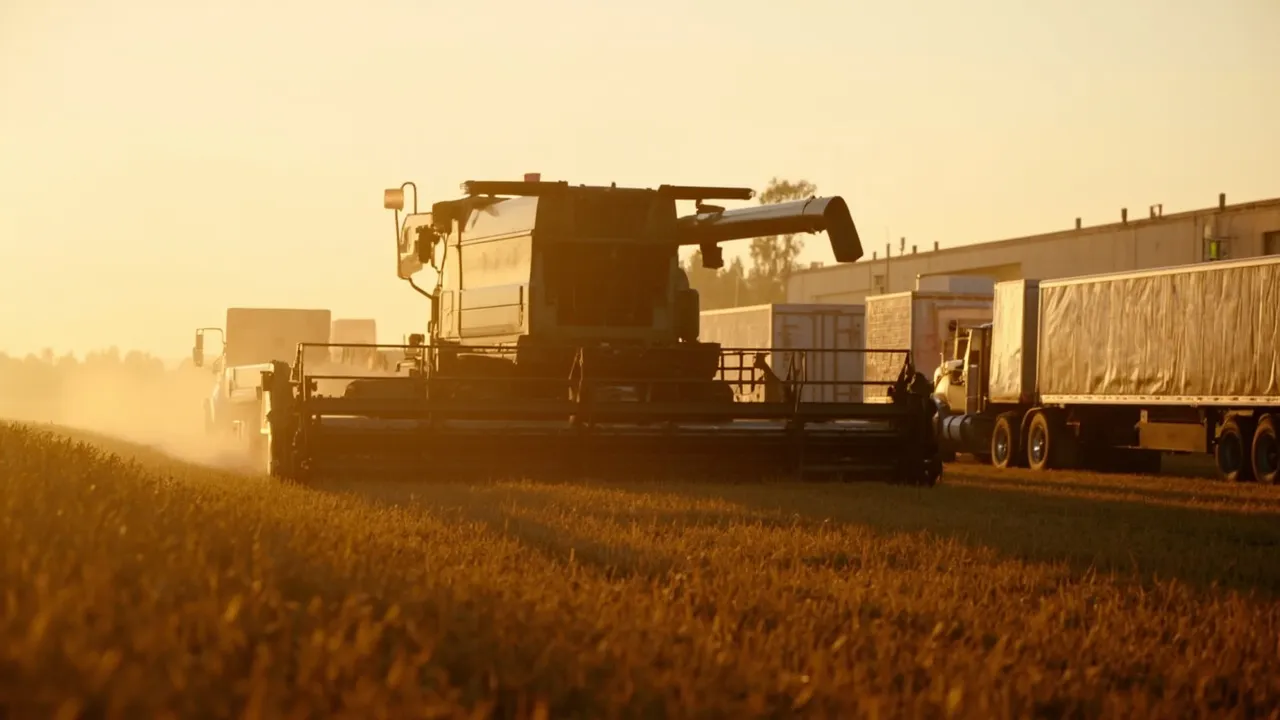
A broken combine is not only a farm maintenance problem. During a narrow harvest window, it can become a transportation problem within hours: inbound product misses its cooling appointment, contracted trucks arrive before freight is ready, and downstream plants lose confidence in their receiving schedule.
That connection deserves more attention following a new federal inquiry into agricultural manufacturing. According to SupplyChainBrain, the Federal Trade Commission and U.S. Department of Agriculture are seeking public input, particularly from farmers, about equipment purchasing and repair practices. An inquiry is not a finding of wrongdoing, and logistics teams should not treat it as one. It is, however, a useful prompt to examine a dependency that many seasonal transportation plans barely model.
The Repair Clock and the Logistics Clock Are the Same Clock
Agriculture operates around biological and weather-driven deadlines. A manufacturer can reschedule a production run; a grower cannot ask a mature crop to wait indefinitely. When a harvester, tractor, sprayer, or irrigation system goes down, the impact depends on the equipment's role, the crop's condition, the forecast, and the time required to diagnose the fault and obtain parts or authorized service.
The repair debate has been developing for years. In 2023, Reuters reported that Colorado legislators passed the first U.S. state right-to-repair measure specifically covering agricultural equipment, requiring manufacturers to provide owners and independent repair providers with resources such as manuals and diagnostic software. The law reflected the operational importance of restoring equipment quickly, regardless of who performs the work.
For logistics planners, the relevant metric is not the politics of repair. It is time to recovery. A three-hour interruption might be absorbed by a pickup buffer. A three-day interruption can invalidate a week of appointments and capacity commitments.
The effects move through the network in sequence:
- Field output falls below the expected harvesting rate.
- Loads are not ready for scheduled pickup windows.
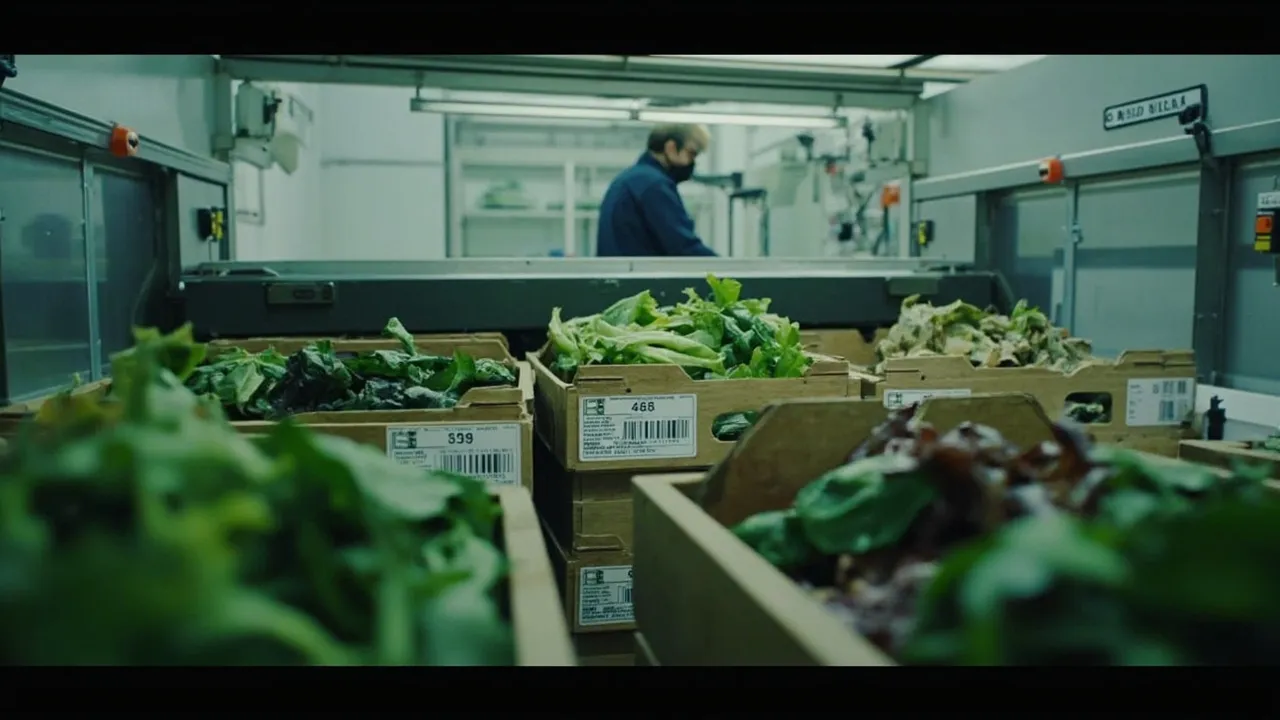
- Cooling, washing, packing, or processing facilities receive less product than planned.
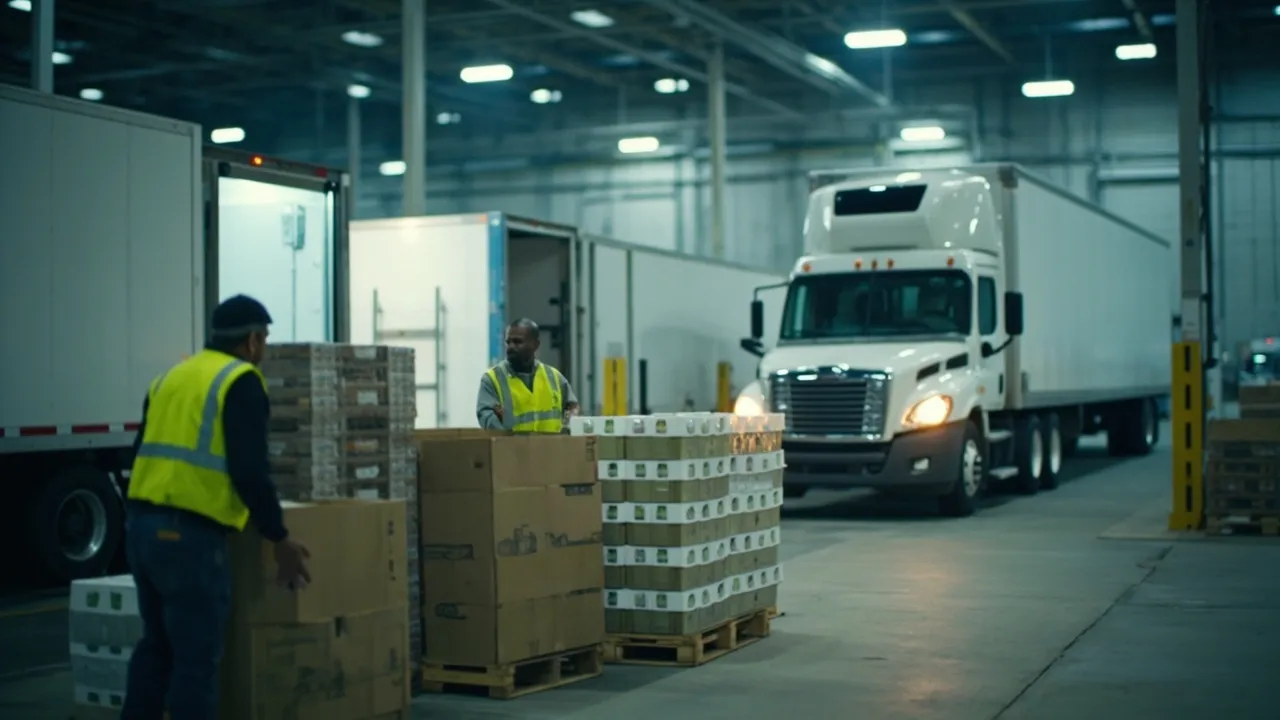
- Refrigerated equipment and drivers wait, reposition empty, or require rebooking.
- Later harvest volume arrives in a compressed surge, straining docks, labor, and cold storage.
Perishable freight makes recovery harder. An Inbound Logistics review of cold-chain innovation cites a UN Food and Agriculture Organization estimate that 30% to 40% of food produced in developed countries is wasted before reaching the market. Not all of that loss results from equipment downtime, but the scale shows why minutes and temperature exposure matter once a crop begins moving.
Build Equipment Dependencies Into Seasonal Planning
Most transportation plans contain lane, volume, rate, carrier, and appointment data. Seasonal food plans should also include the equipment that determines whether those loads will exist on schedule.
Start with an equipment-criticality register. For each farm, cooperative, or origin site, identify the machinery whose failure would stop or materially slow harvest, cooling, packing, or loading. Record expected throughput, backup assets, the nearest qualified service option, common failure modes, and the parts most likely to constrain restoration.
Then connect those records to shipment plans through four practical fields:
- Equipment status: operating, degraded, stopped, or restored.
- Estimated repair time: the best current recovery window, with a timestamp and owner.
- Shipment exposure: affected orders, pickup appointments, and perishability limits.
- Alternate capacity: replacement machinery, custom harvesting services, nearby packing sites, or substitute transportation.
This turns an informal phone call from the field into structured operating data. Dispatchers can see which loads are genuinely threatened instead of canceling an entire day's plan or discovering the shortfall when a driver arrives.
Spare-parts planning belongs in the same model. Keeping every component on hand is unrealistic, but teams can identify high-frequency or long-lead items for critical assets. Dealer lead time should be measured by season and location, not stored as a generic annual average. A part that is available in February may be scarce when every operation in a region is harvesting in October.
Use Escalation Triggers Before a Missed Pickup
The best response window is before the carrier reaches the farm. A transportation management system should raise an exception when the projected repair time threatens the product-ready time, not after the pickup appointment has already failed.
Useful triggers include:
- projected equipment recovery later than the load-ready cutoff;
- expected field throughput below the quantity committed to transportation;
- repair lead time consuming more than a defined share of the crop's harvest window;
- cooling or packing intake pushed beyond an acceptable dwell threshold;
- no confirmed backup asset or alternate origin for a priority order;
- a compressed recovery surge exceeding dock, reefer, or labor capacity.
Each alert needs an assigned action. Dispatch might delay the appointment, combine partial loads, exchange pickup slots with another origin, or release the truck before detention accumulates. Procurement might secure a local repair provider or backup harvesting capacity. Customer service might revise an arrival commitment while alternatives still exist.
Prioritization also matters. Loads with the shortest shelf life, firm retail promotions, production-line dependencies, or scarce reefer capacity should receive attention first. Lower-risk dry commodities may tolerate rescheduling with fewer consequences.
Plan for Recovery, Not Just Disruption
Restoring the machine does not immediately restore the schedule. Once equipment returns to service, farms often accelerate output to recover lost time. That creates a second operational risk: a sudden wave of product arriving at cold storage or processing sites that were staffed for the original plan.
The recovery playbook should therefore model catch-up throughput, additional shifts, temporary storage, reefer availability, dock appointments, and driver hours. Carriers need an updated volume curve rather than a simple notice that operations have resumed.
Farm equipment repair access may be debated as a competition, ownership, or technology issue. For food logistics teams, the conclusion is more direct: equipment uptime is an upstream constraint on freight readiness. Treating repair status as transportation data gives planners more time to protect harvest value, carrier relationships, and cold-chain integrity.
See how CXTMS can connect origin constraints, shipment exceptions, and carrier actions in one operating view. Request a CXTMS demo.