KILLSTAR’s 946,000-Unit Consolidation Needs One Customs-to-Returns Control Record

Consolidating logistics can remove handoffs, improve inventory visibility, and simplify accountability. It can also concentrate every data error in one operation. For fashion brand KILLSTAR, the difference will depend on whether customs, inventory, fulfillment, transport, and returns share one reliable control record.
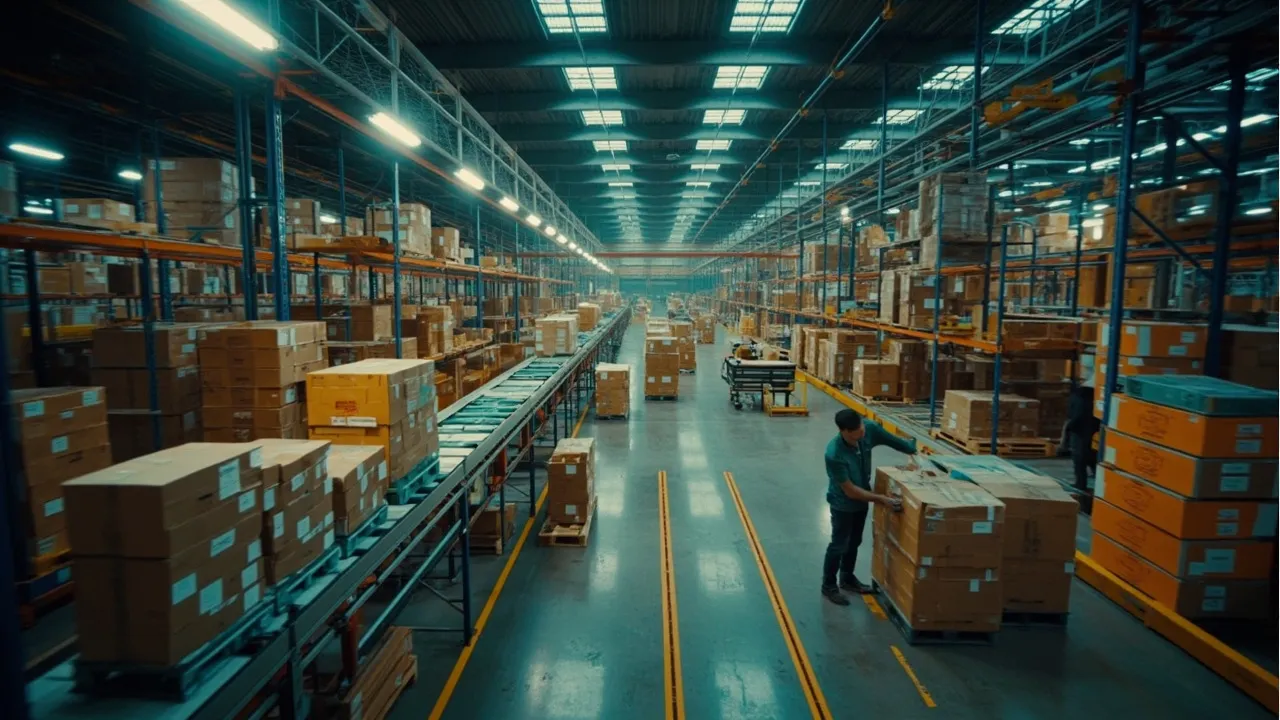
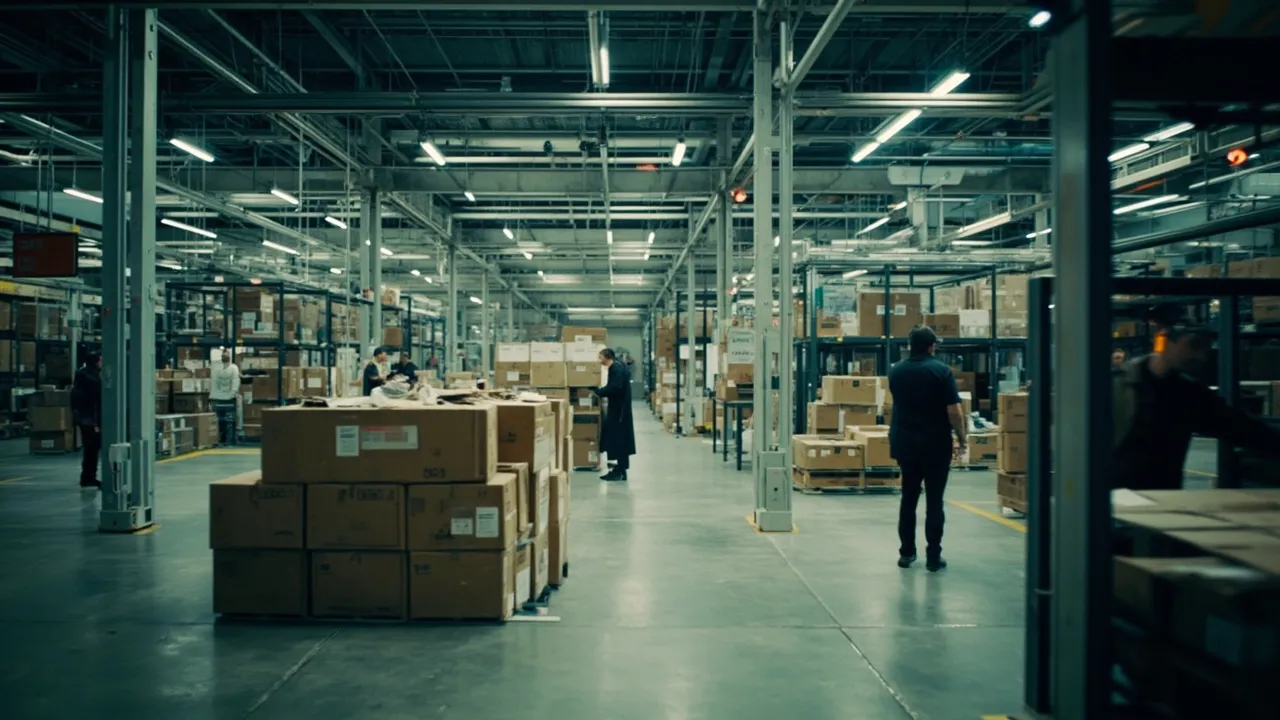
Inbound Logistics reports that KILLSTAR plans to consolidate its U.S. and European logistics at Bleckmann's facility in Grobbendonk, Belgium. The location was selected for its customs warehouse and proximity to ports, motorways, and Brussels Airport. Bleckmann is expected to handle warehousing, fulfillment, transport, and returns for B2B and B2C channels, supporting about 946,000 units annually.
That is roughly 3,640 units per business day across inbound receipts, allocations, outbound orders, and returns. The operational challenge is not merely moving that volume. It is preserving each item's identity, ownership, duty status, channel eligibility, and disposition through every transition.
Consolidation Changes the Control Problem
In a fragmented network, teams often reconcile problems at organizational boundaries: an import file is compared with a warehouse receipt, a fulfillment report with a carrier manifest, or a returns file with a credit memo. Consolidation reduces physical boundaries but does not eliminate the underlying control requirements.
A customs warehouse introduces a particularly important distinction. Goods can be physically available while remaining under customs control. That means “in stock” is not a sufficient status. An item may be received but not accepted, bonded but not released, reserved for a wholesale order, allocated to ecommerce, quarantined for inspection, or awaiting a return decision.
Fashion adds short product life cycles, variants by size and color, seasonal demand, and a meaningful reverse flow. Reuters has reported that up to half of clothing bought online can be returned, often because of fit. Even if KILLSTAR's own rate differs substantially, its consolidated operation needs returns to restore sellable inventory quickly without corrupting duty or ownership records.
Build One Record Around the Unit and Its Events
The control record should connect a stable product identifier—SKU plus size, color, and lot where relevant—to a chronological event trail. Every event needs a timestamp, location, quantity, source document, responsible party, and resulting status.
At inbound receipt, capture purchase order, supplier, origin, tariff classification, customs procedure, declared value, ownership, container or parcel reference, expected quantity, received quantity, and condition. Any variance should create an exception before stock becomes allocatable.
During storage and allocation, retain customs status alongside physical location and available-to-promise quantity. Channel allocation should identify whether inventory is reserved for B2B, B2C, a specific country, or a launch. A transfer between channels must be a recorded transaction, not a spreadsheet adjustment.
At fulfillment, connect each picked unit to the order, customer channel, ship-from location, destination, customs release where required, package, carrier service, and tracking identifier. The record should distinguish picked, packed, manifested, customs-cleared, handed over, delivered, and exception states.
At return, link the item to its original outbound order and duty treatment. Capture return authorization, reason, condition grade, inspection result, refund status, and final disposition: restock, repair, secondary sale, supplier return, recycle, or destroy. A returned garment should never become available inventory merely because it crossed the receiving dock.
Four Controls Protect the Handoffs
Customs status must gate allocation. The order system should not promise stock that the customs workflow has not made eligible for the destination and transaction. Release references and duty status belong in the operational record, with automated holds for missing or conflicting data.
Inventory ownership must remain explicit. Physical custody does not always equal financial ownership. The system should record the owner at receipt and define exactly when ownership changes. This becomes essential when returns, consignment arrangements, damaged stock, or customs procedures affect valuation.
Channel moves require authorization. B2B cases and individual ecommerce units have different promises, packaging, economics, and priorities. Reallocating inventory may be the correct decision, but it should preserve who approved the move, why it happened, and which customer commitment changed.
Returns need disposition-level accountability. The reverse flow is not complete when a parcel arrives. Measure time from receipt to inspection, inspection to refund, and inspection to resale availability. Supply Chain Dive notes that fashion companies in 2026 are prioritizing flexibility and compliance rigor, while more brands explore AI for inventory and logistics. Those tools only work when return condition and disposition data are trustworthy.
Cut Over Without Losing the Chain of Custody
Migration should begin with a frozen baseline: inventory by SKU, variant, location, owner, customs status, channel allocation, and condition. Both the legacy and destination systems should use the same definitions before quantities are compared.
Move stock in controlled waves rather than treating the facility as one undifferentiated pool. Each wave should have a manifest, departure confirmation, destination receipt, variance report, and formal signoff. Open orders, goods in transit, pending returns, customs entries, and customer credits need separate reconciliation because they can fall between snapshots.
Order continuity deserves its own control room. Track orders released before the cutover, orders held during the transition, and the first orders released from the new operation. Validate pick accuracy, same-day dispatch, carrier acceptance, customs clearance, delivery exceptions, and return initiation by channel and destination.
Do not declare success when the last pallet arrives. Require a stabilization period with daily reconciliation and defined exit criteria: inventory accuracy within tolerance, zero unexplained customs-status conflicts, order backlog within target, service performance restored, and return queues under control.
Turn the Record Into a Management Tool
A shared control record should produce an exception queue, not another passive dashboard. Managers need to see bonded inventory incorrectly allocated, units without ownership, orders stalled between pack and manifest, return credits without inspected goods, and sellable returns not restored to availability.
The scorecard should pair service with control quality: inventory accuracy, customs-release cycle time, allocation exceptions, order-to-dispatch time, perfect-order rate, return-to-refund time, return-to-restock time, and unreconciled units. At 946,000 units per year, even a 0.5% exception rate would create 4,730 units requiring investigation. Prevention and fast resolution are therefore material operating capabilities.
KILLSTAR's consolidation illustrates the broader lesson for international fashion logistics: one building and one provider do not automatically create one version of the truth. That requires a transaction-level record designed to survive every handoff from customs receipt to final return disposition.
Ready to connect customs, inventory, fulfillment, transport, and returns in one operational workflow? Request a CXTMS demo to see how unified control can replace fragmented handoffs.