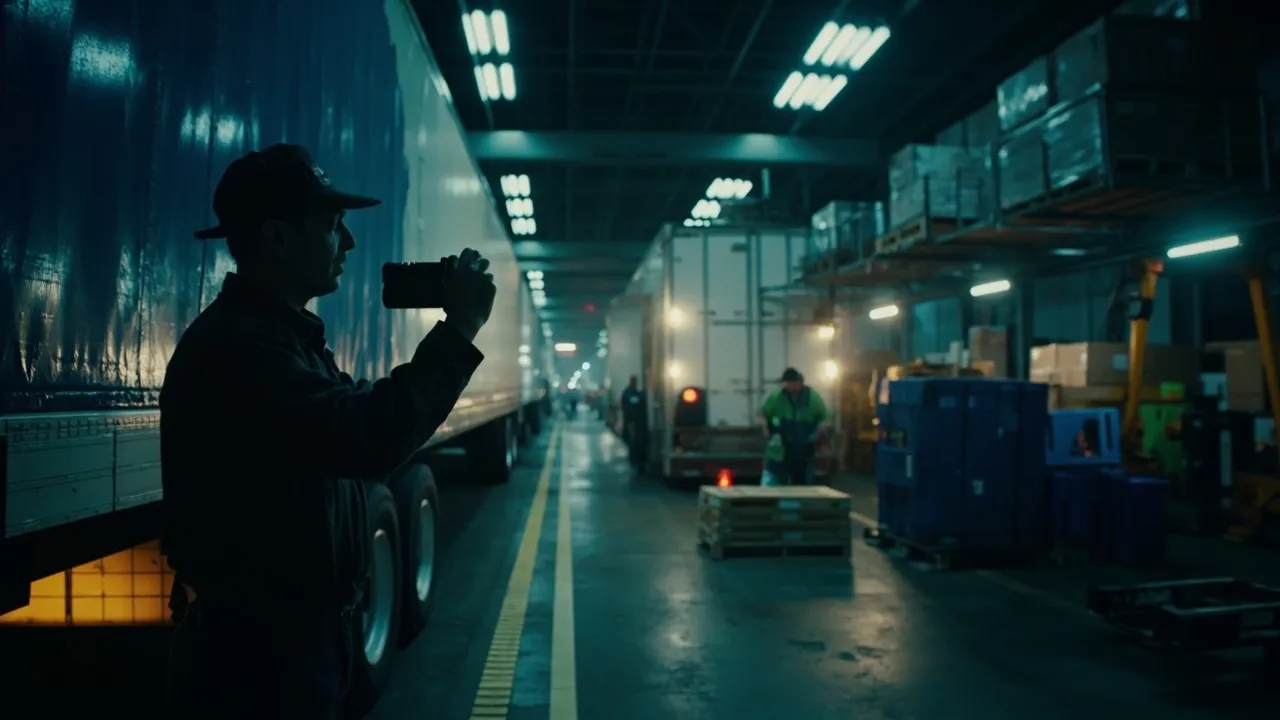
450 Pounds Hidden in an Empty Trailer: Add Conveyance Integrity to Border Dispatch

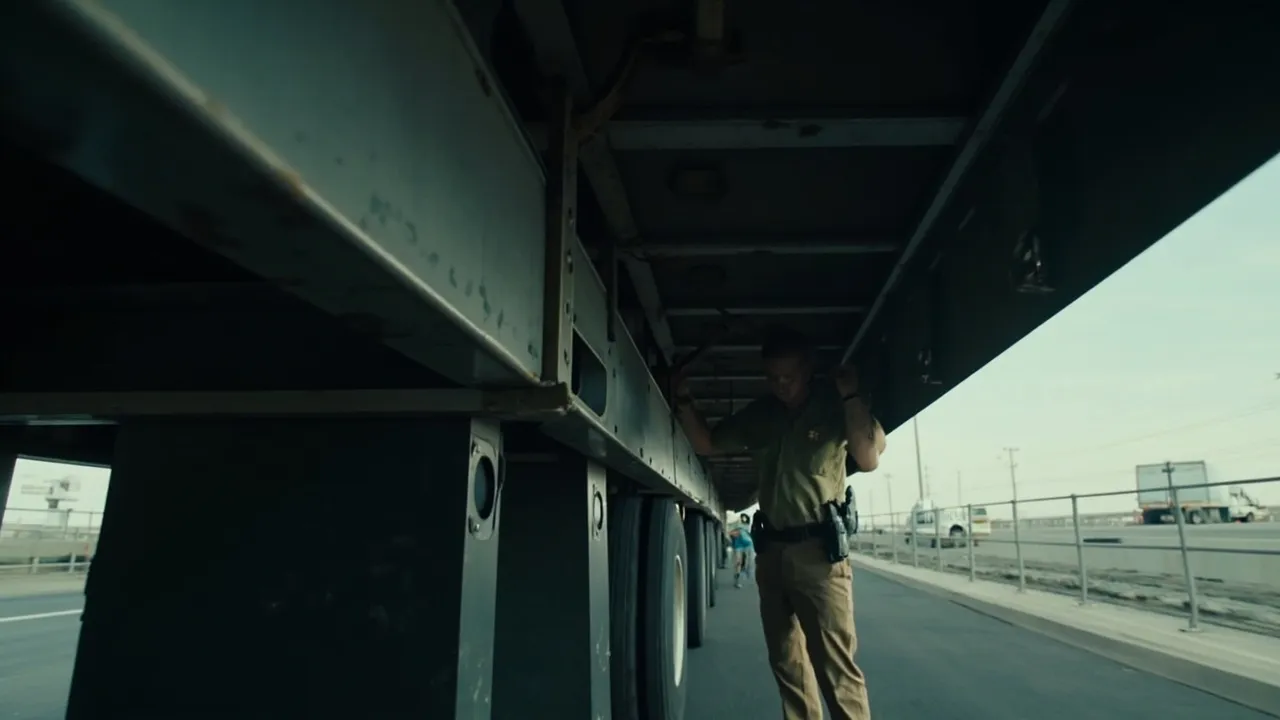
An empty trailer is not an empty risk.
U.S. Customs and Border Protection officers recently found approximately 450 pounds of cocaine beneath the floor of an empty semi-trailer headed toward Canada. The drugs were valued at about $6 million, according to FreightWaves' report on the seizure. The incident is a useful warning for cross-border operators: a trailer without declared cargo still needs a controlled security record.
That record should establish conveyance integrity—the documented condition, custody, and authorization of the tractor and trailer before dispatch. It is not enough to record that a unit is "empty." Dispatch should know who inspected it, what was checked, whether its weight and structure were plausible, who controlled it afterward, and whether anything changed before it reached the border.
Treat the Trailer as a Controlled Asset
Freight systems usually organize work around loads. That makes sense commercially, but it creates a blind spot when equipment moves empty. A loaded shipment carries an order, commodity, shipper, consignee, seal, and customs documents. An empty repositioning move may have little more than a trailer number, driver, origin, and destination.
Criminals can exploit that thinner record. Concealment beneath a floor, inside a wall, or within another structural cavity does not depend on legitimate freight being present. A trailer can also pass through repair shops, drop yards, subcontractors, and unattended parking before a driver receives it. Each handoff creates an opportunity for tampering and an evidentiary gap if custody is not recorded.
The broader security environment makes those gaps expensive. SupplyChainBrain reported that U.S. cargo theft rose 16% year over year in 2025 and was projected to rise another 13% in 2026. Theft and smuggling are different crimes, but both benefit when asset identity, custody, and exceptions live in disconnected systems.
Build an Inspection Record Before Dispatch
Every border-bound trailer should have a repeatable inspection checklist appropriate to the equipment type and operating program. The inspection should cover visible structural surfaces, doors, locking hardware, roof, sidewalls, undercarriage, tires, landing gear, floor, and internal dimensions. For refrigerated or specialized equipment, include compartments and components unique to that design.
The record should capture:
- Tractor and trailer identifiers, license data, and equipment type
- Inspector identity, location, date, and timestamp
- Condition photographs tied to the asset record
- Seal or lock number, when one is applied
- Empty tare weight and the scale source
- Visible repairs, new panels, unusual fasteners, floor height, or fresh sealant
- Pass, fail, and escalation status
Photos are evidence only when their context is reliable. Require a defined set of views and store the original timestamp and uploader identity. A few undated images in a messaging thread cannot prove which trailer was inspected or whether the images predated a later handoff.
Make Tare Weight an Exception Signal
An empty scale ticket can provide a powerful comparison point. Store an expected tare-weight range for each tractor-trailer combination or calculate one from recent verified readings. Then flag a material deviation for review.
The 450-pound seizure illustrates why this matters. A concealed mass of that size may be small relative to an entire combination vehicle, and differences in fuel, tools, pallets, snow, or equipment can create legitimate variation. Weight should therefore trigger an inspection—not serve as proof of wrongdoing.
Set thresholds using the operation's own equipment and scale accuracy. A fixed rule for every trailer type will produce noise. The reviewer should compare the current reading with recent readings, fuel level, tractor assignment, documented repairs, and any residual dunnage. Record the explanation or place the unit on hold.
Repair history deserves equal attention. A floor replacement or structural patch may be legitimate, but dispatch should be able to see who performed the work, when it occurred, and whether a post-repair inspection verified the unit. An undocumented repair plus an unexplained weight change is a stronger exception than either event alone.
Preserve Custody Through Every Handoff
Conveyance integrity can be lost after a perfect inspection. Record each custody event from inspection through border arrival: release from the yard, tractor-trailer coupling, driver acceptance, gate exit, subcontractor transfer, stop, route deviation, arrival, and customs disposition.
Inbound Logistics recommends controlling chain of custody as part of preventing cargo theft, fraud, and supply-chain crime. For an empty border move, that means verifying the person and company receiving the equipment, capturing the time and place of handoff, and preventing an informal reassignment from breaking the record.
Route and dwell rules should reflect the move. A prolonged stop at an unauthorized yard, a deviation from the planned corridor, or a trailer swap should open an exception. The alert needs enough context for a security reviewer to distinguish a traffic closure or mechanical problem from an unexplained event.
Connect Security Holds to Dispatch
The most important control is operational: a suspect trailer must not be dispatchable.
Create a security-hold status at the equipment level. A failed inspection, missing photo set, unexplained tare variance, broken seal, unauthorized handoff, or undocumented repair should block tendering, assignment, gate release, and border-dispatch confirmation. Only an authorized reviewer should clear the hold, with a reason and supporting evidence.
This avoids a common failure in fragmented operations. Security records a concern in one system, while a dispatcher—unaware of the issue—assigns the trailer to the next driver. A phone call or spreadsheet note is not a durable control. The equipment's security state must travel with it and remain visible wherever assignments are made.
Empty equipment should move quickly, but speed cannot erase accountability. A short, structured inspection and custody workflow gives operators a defensible answer to a basic border question: what happened to this conveyance before it arrived here?
CXTMS connects equipment, drivers, inspections, routes, documents, exceptions, and dispatch holds in one operational record. Request a CXTMS demo to see how equipment-level controls can strengthen border execution without burying dispatchers in manual follow-up.