Chancay Port Geopolitics: Add Sovereign Friction to the Asia–South America Route Score

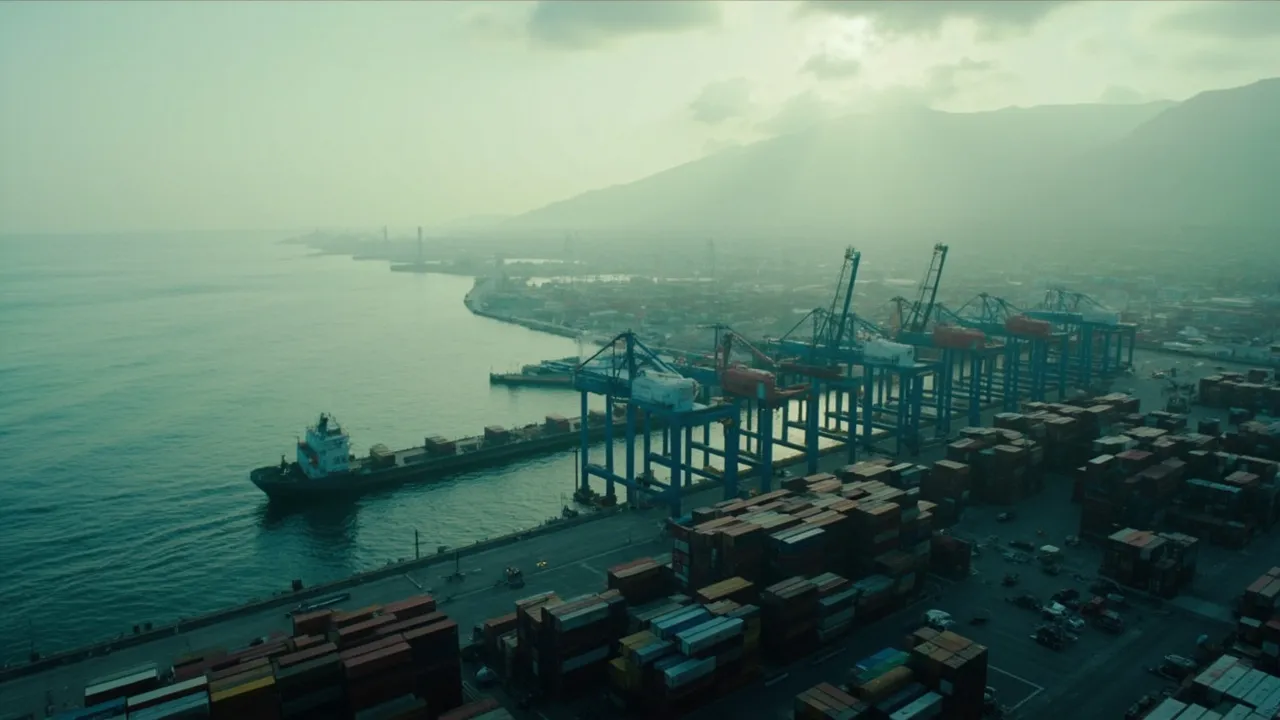
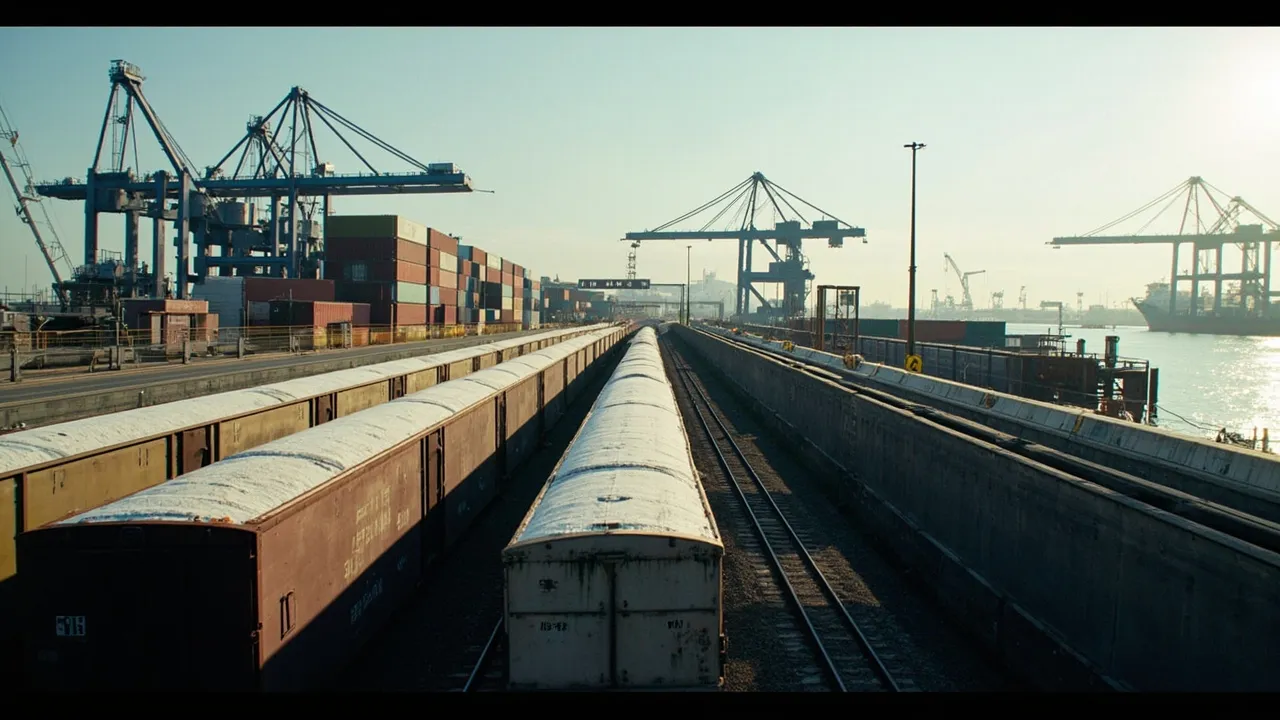
Chancay Port gives Asia–South America shippers a compelling operational proposition: a deepwater Pacific gateway capable of handling large vessels and supporting direct sailings. But a route can be fast at sea and fragile on land. The continuing disputes around the Chinese-owned Peruvian port show why transit time and berth productivity are no longer enough to qualify a strategic gateway.
Freight teams need to measure sovereign friction—the possibility that government decisions, concession disputes, diplomatic pressure, sanctions, court rulings, or regulatory intervention will change the commercial conditions of a route.
That does not mean abandoning Chancay. It means pricing political and legal uncertainty into routing decisions with the same discipline used for capacity, lead time, and cost.
The operating case remains powerful
Chancay was built to alter the economics of Pacific trade. Reuters reported that the port can accommodate the largest cargo vessels and could cut journey time by two weeks for some exporters by enabling direct Asia services. Reuters also put the development's value at $3.5 billion.
The initial operating model reinforces that ambition. Another Reuters report said early services would use vessels carrying up to 14,000 containers, with the potential to progress to ships holding 24,000 containers. Cosco Shipping Ports owns and operates the terminal with a 60% stake; Peruvian miner Volcan holds the remaining 40%.
Those facts belong in a route score. Direct service can reduce transshipment exposure, shorten inventory cycles, and make perishables or time-sensitive exports more competitive. Yet none of those benefits eliminates the need to measure the rules surrounding the asset.
Commercial performance and sovereign friction are different scores
A conventional port assessment might compare vessel frequency, dwell time, crane productivity, inland connectivity, rates, and schedule reliability. Sovereign friction asks a different set of questions:
- Can the concession terms or operating rights be reopened?
- Can regulators impose, remove, or reinterpret price controls?
- Could diplomatic conflict change customs scrutiny or sanctions screening?
- Are legal challenges likely to affect charges, access, or service continuity?
- How concentrated is the shipper's volume in one politically sensitive gateway?
Chancay provides concrete examples. In March 2024, Peru's port authority said an administrative error had granted Cosco exclusive operating rights. By May, Reuters described an escalating conflict as Cosco insisted on the original terms. The government later eased that dispute, but the episode showed that signed arrangements can return to the political agenda.
Then, in April 2025, Peru's regulator determined that prices at the port should be controlled. Reuters reported that Cosco was considering legal proceedings. More recently, a judicial decision involving Chancay prompted direct criticism from Washington, according to SupplyChainBrain.
No single development proves that cargo will stop moving. Together, however, they show that commercial terms can be contested across regulatory, judicial, and diplomatic channels.
Build a score that changes operating decisions
A sovereign-friction score should not be a vague country-risk label. Score five categories from 0 to 5, then assign each an owner and review date:
- Concession stability: active challenges to ownership, exclusivity, or operating authority.
- Pricing stability: risk of regulated charges, emergency fees, or disputed tariff structures.
- Legal continuity: pending cases, arbitration exposure, and the enforceability of operating terms.
- Diplomatic exposure: government warnings, visa actions, sanctions risk, or intensified customs treatment.
- Route substitutability: available carrier capacity, inland links, and qualification status at alternate ports.
Weight each category according to the shipment. A commodity exporter with flexible delivery dates may tolerate more friction than an importer promising fixed retail launch windows. Regulated or dual-use cargo may require a heavier diplomatic-exposure weight. A high-value shipment with limited insurance coverage should place more emphasis on legal continuity.
The score must then trigger action. Otherwise it is just another dashboard number.
Tie the score to bookings and customer promises
At low friction, maintain normal booking allocations while monitoring developments monthly. At moderate friction, cap concentration, request written carrier confirmation of surcharges and routing, and pre-qualify at least one alternate gateway. Review cargo insurance for political-risk exclusions and interruption language.
At high friction, reduce new long-dated commitments through the gateway, shorten quote validity, and avoid customer promises that assume the fastest possible transit. Confirm whether contracts allow rerouting and who absorbs incremental inland, storage, or port costs. Critical shipments should already have an alternate-port playbook with carrier contacts, drayage rates, customs requirements, and realistic additional lead time.
Useful triggers include a formal change to concession rights, a binding pricing order, legal action by the operator, sanctions or export-control measures affecting a party, a material reduction in carrier calls, or two consecutive weeks of abnormal dwell time. Political rhetoric alone should increase monitoring, not automatically stop bookings.
Concentration deserves its own limit
The most practical protection is a route-concentration ceiling. A shipper might keep no more than 40% of eligible Pacific volume through a gateway when sovereign friction is moderate, then lower the ceiling to 20% when a legal or regulatory trigger is active. The exact percentages depend on cost and alternatives; the discipline matters more than the initial threshold.
Measure the premium paid for diversification against the inventory, expedite, and customer-penalty exposure created by a sudden reroute. That comparison turns resilience from an abstract goal into a commercial decision.
Chancay's strategic value is real. So is the risk that decisions made in courtrooms, ministries, and diplomatic channels reshape its operating environment. The right response is neither blind concentration nor reflexive avoidance. It is a route score that combines port performance with sovereign friction—and connects both to booking controls before disruption forces the decision.
Ready to manage route risk with shipment-level visibility and configurable operating rules? Request a CXTMS demo and see how your team can turn geopolitical signals into faster, more consistent freight decisions.