Fulfillment in Five Steps: Validate Process Compression Before Automating It

Reducing a fulfillment process from 12 steps to five sounds like an obvious productivity win. It may be—but a shorter process map is not proof of a safer, faster operation. Steps often contain controls that are easy to dismiss as “touches”: a scan that confirms custody, a count that catches inventory drift, or a pause that keeps an exception from traveling downstream.
The right objective is therefore not the fewest boxes on a flowchart. It is the fewest physical and digital handoffs that can still protect order accuracy, inventory integrity, worker safety, and recoverability.
That distinction matters as warehouse automation moves beyond the largest operators. A 2025 robotics survey cited by Supply Chain Dive included 216 respondents, more than half from companies with under $50 million in annual revenue. Automation is becoming accessible to more facilities, but accessibility does not make process design optional.
What a five-step flow actually compresses
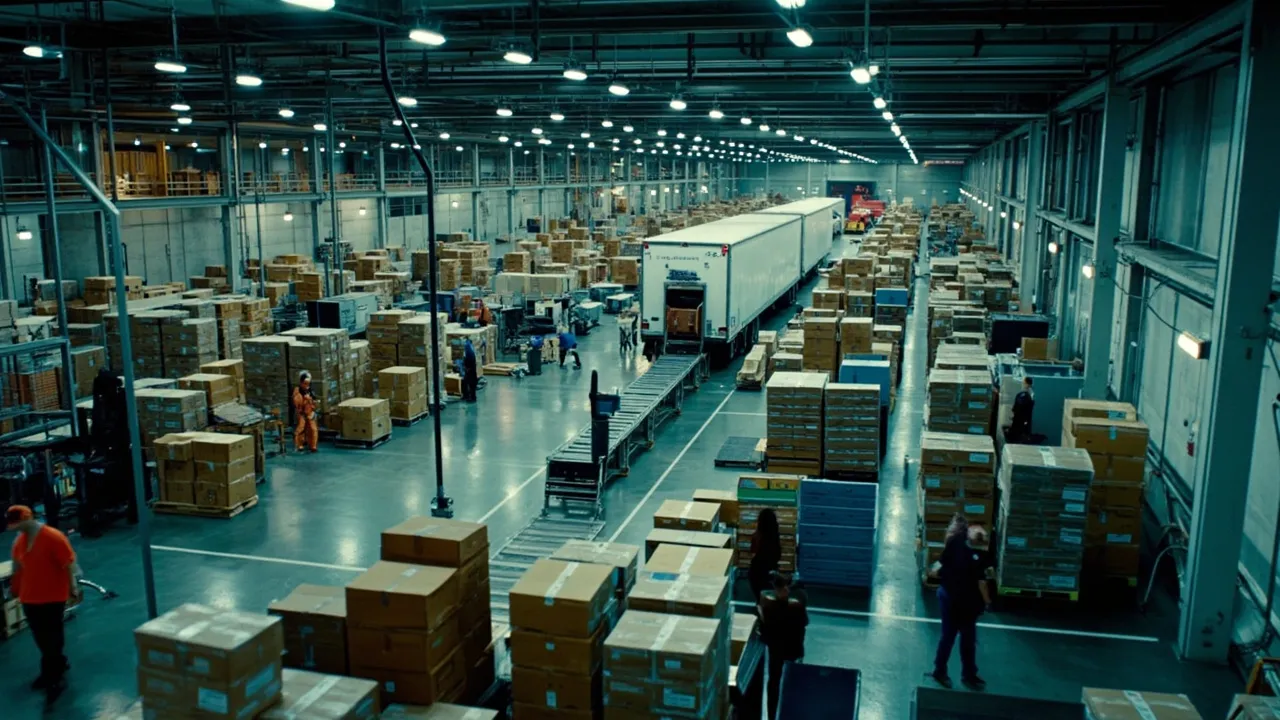
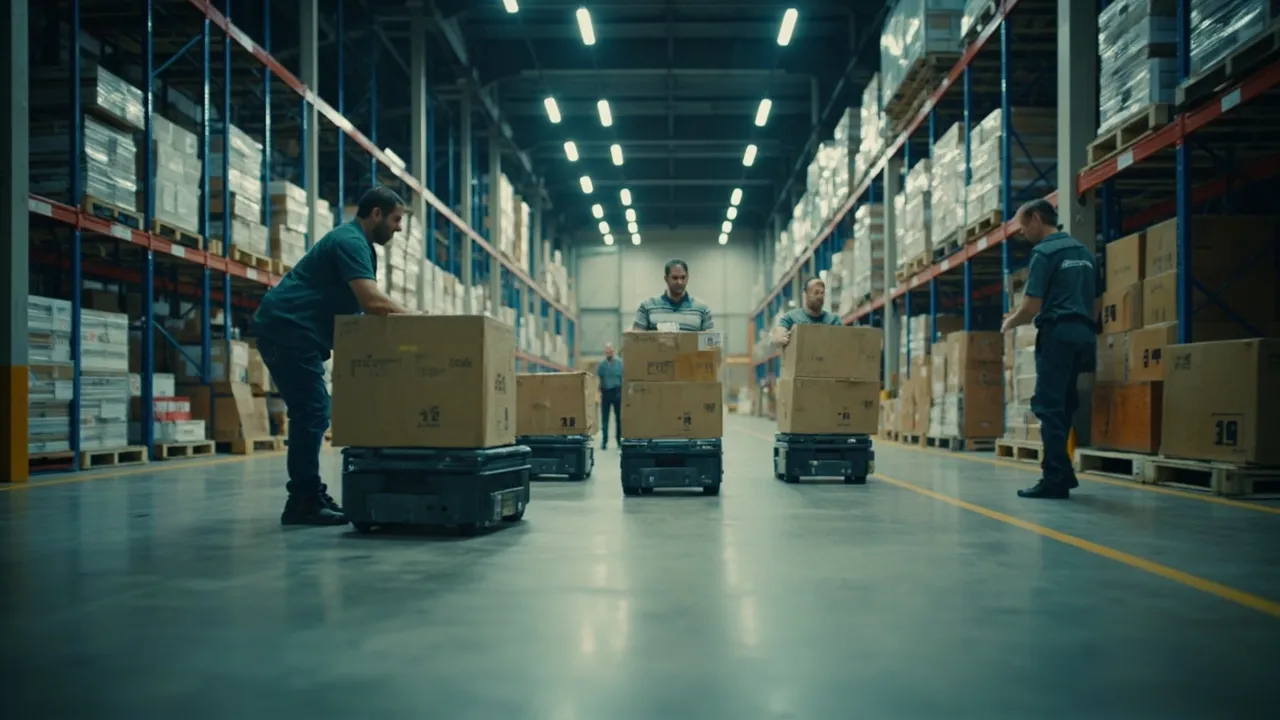
A conventional fulfillment journey might separately cover order release, allocation, replenishment, travel, location confirmation, item scan, quantity validation, container assignment, packing verification, label creation, sortation, and carrier handoff. A five-step design commonly consolidates those activities into broader stages:
- Release and allocate the order.
- Retrieve and validate inventory.
- Consolidate and pack.
- Manifest and sort.
- Transfer custody to transportation.
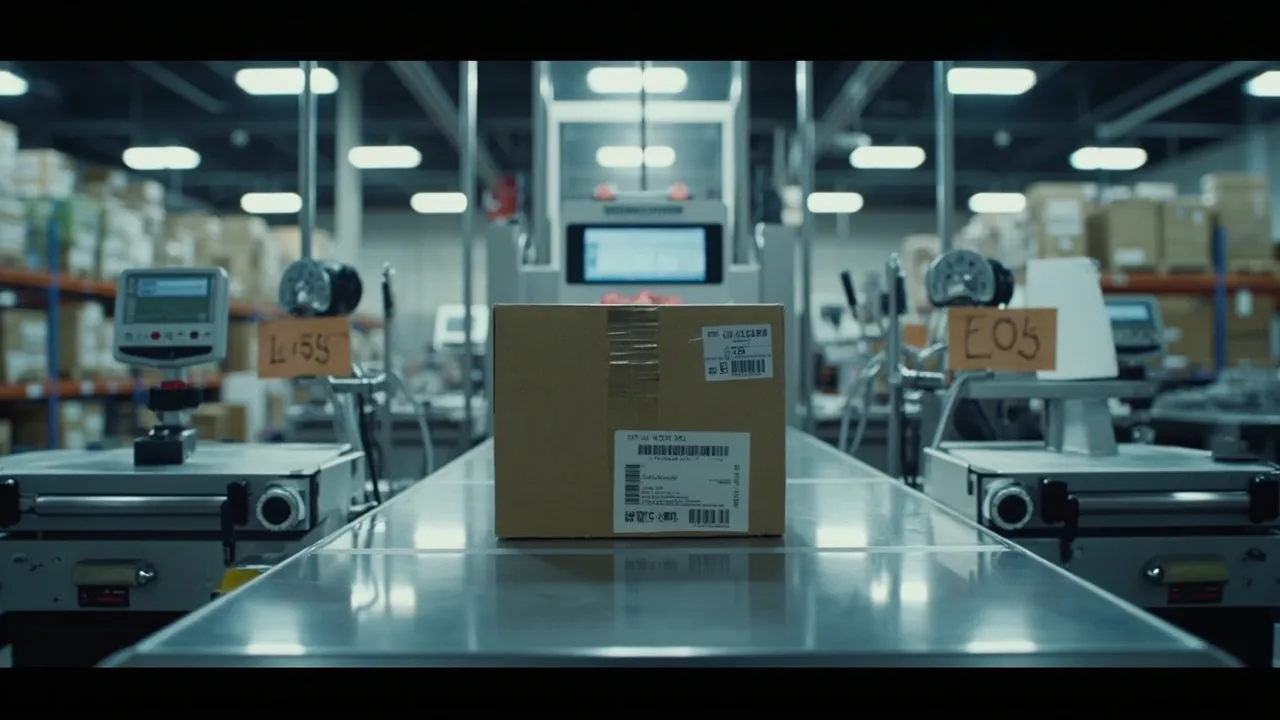
The physical flow is cleaner, but the controls have not disappeared. They have been embedded in equipment, software, or standard work. “Retrieve and validate,” for example, may combine directed travel, location confirmation, SKU identification, quantity capture, and tote assignment. If any one of those events is missing, the compressed step becomes a black box.
This is why managers should map both the operational step and its control purpose. For every eliminated touch, identify what used to be verified, which system will verify it now, and what happens when the verification fails.
Benchmark the promise without copying the design
Real projects show why process compression is attractive. Supply Chain Dive reports that Nuuly expanded its Kansas City-area fulfillment center to 1 million square feet, supporting up to 600,000 subscribers. At that scale, extra travel and repeated handling quickly become material costs.
Broader benchmarks are equally compelling. Prologis estimated that greater automation could improve e-commerce warehouse productivity by as much as 20%. Albertsons, meanwhile, expected 30% of its distribution volume to be automated by the end of 2025.
Those figures justify investigating automation; they do not validate a particular five-step design. Product profile, order structure, returns intensity, service promises, building geometry, and labor model all affect whether compression works. A process proven for uniform cases may fail when exposed to apparel variants, serial-controlled parts, hazardous goods, or multi-temperature orders.
Run four tests before freezing the automation
Volume test. Model normal days, promotions, late order waves, and peak-hour bursts. Measure units and orders per labor hour, queue depth, equipment utilization, replenishment demand, and dock cutoff attainment. The design should tolerate short surges without pushing work-in-process into aisles or starving downstream stations.
SKU-complexity test. Segment fast and slow movers, eaches and cases, fragile items, lot-controlled inventory, oversize products, and high-return categories. Track mis-picks, substitutions, split orders, repacks, and manual interventions by segment. An attractive average can hide a costly long tail.
Peak test. Do not simply multiply average demand. Recreate the operating conditions that arrive together: temporary labor, carrier cutoff concentration, replenishment competition, promotional SKU skew, and reduced maintenance windows. Test the building at the expected peak and above it to identify the real constraint.
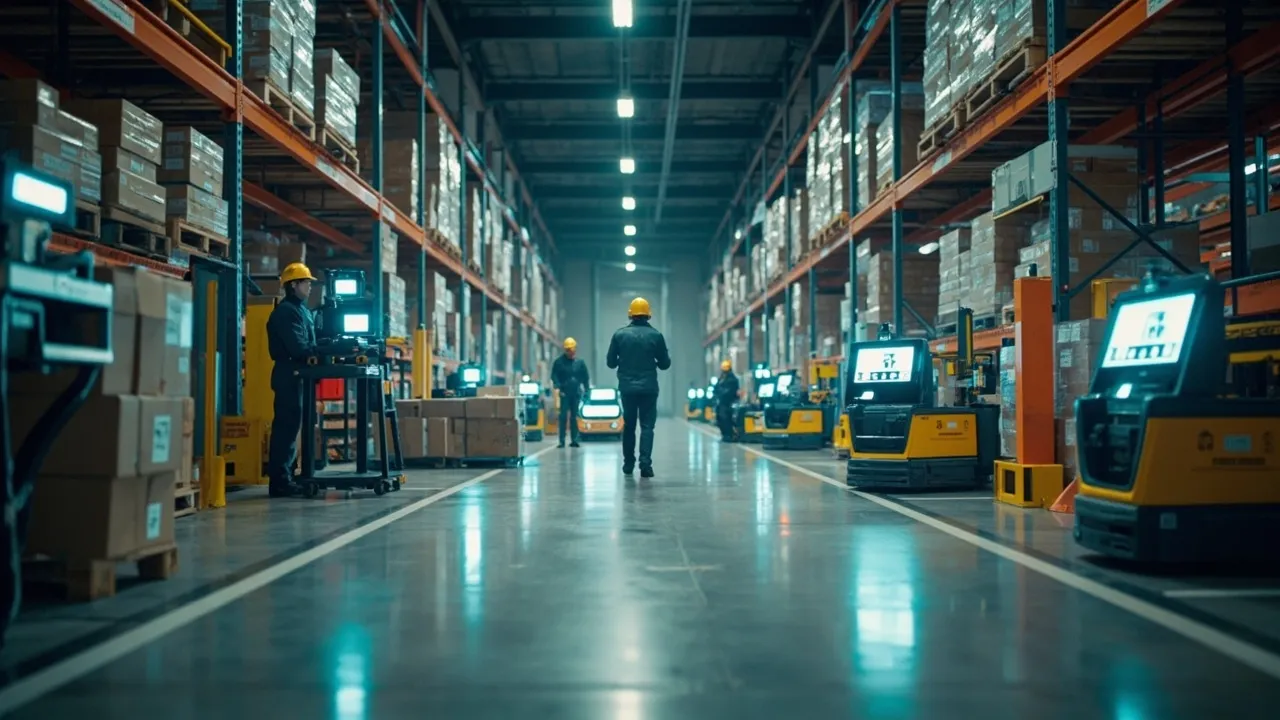
Failure-recovery test. Interrupt scanners, conveyors, mobile robots, printers, network connections, and WMS interfaces. Then measure how quickly employees can identify stranded work, preserve sequence, switch to a controlled manual path, and reconcile inventory after recovery. Automation that performs beautifully until one device fails is not resilient automation.
Preserve accountability with step-level events
The WMS and TMS should share an event trail detailed enough to explain every order without recreating the old physical process. At minimum, capture:
- order release, allocation, and priority changes;
- source location, SKU, lot or serial number, quantity, operator or device, and timestamp;
- tote, carton, or pallet identity at every consolidation change;
- pack verification, weight or dimension exceptions, and corrective action;
- label generation, manifest status, service selection, and carrier cutoff;
- staging location, load assignment, seal when applicable, and final custody transfer.
Each exception also needs an owner and a terminal status. “Diverted” is not a resolution. The record should show why the unit was diverted, who accepted it, whether inventory was adjusted, and how the customer promise changed.
CXTMS can connect downstream transportation milestones to those warehouse events. If a shipment misses departure, operators can distinguish a late pick from a packing exception, staging delay, capacity change, or carrier no-show. That is the accountability compressed processes need: fewer physical handoffs, but richer evidence at the handoffs that remain.
Use gates, not optimism
Set acceptance thresholds before approving capital. A five-step pilot should meet agreed targets for accuracy, throughput, recovery time, exception aging, inventory variance, and on-time carrier handoff across all four test conditions. Run it long enough to include replenishment cycles and operational variability—not just a carefully staffed demonstration shift.
If a target fails, determine whether the answer is software logic, workstation design, buffering, training, or restoring a control point. Adding one purposeful validation step is cheaper than automating a five-step process that produces untraceable errors at scale.
The best compressed workflow is not the one that looks shortest. It is the one that remains observable, controllable, and recoverable when demand and equipment stop behaving like the demo.
Ready to connect fulfillment execution with transportation accountability? Request a CXTMS demo and see how warehouse events can drive faster, clearer shipment decisions.