Warehouse Automation Has a Maintenance Labor Problem: What the 2026 MRO Survey Reveals

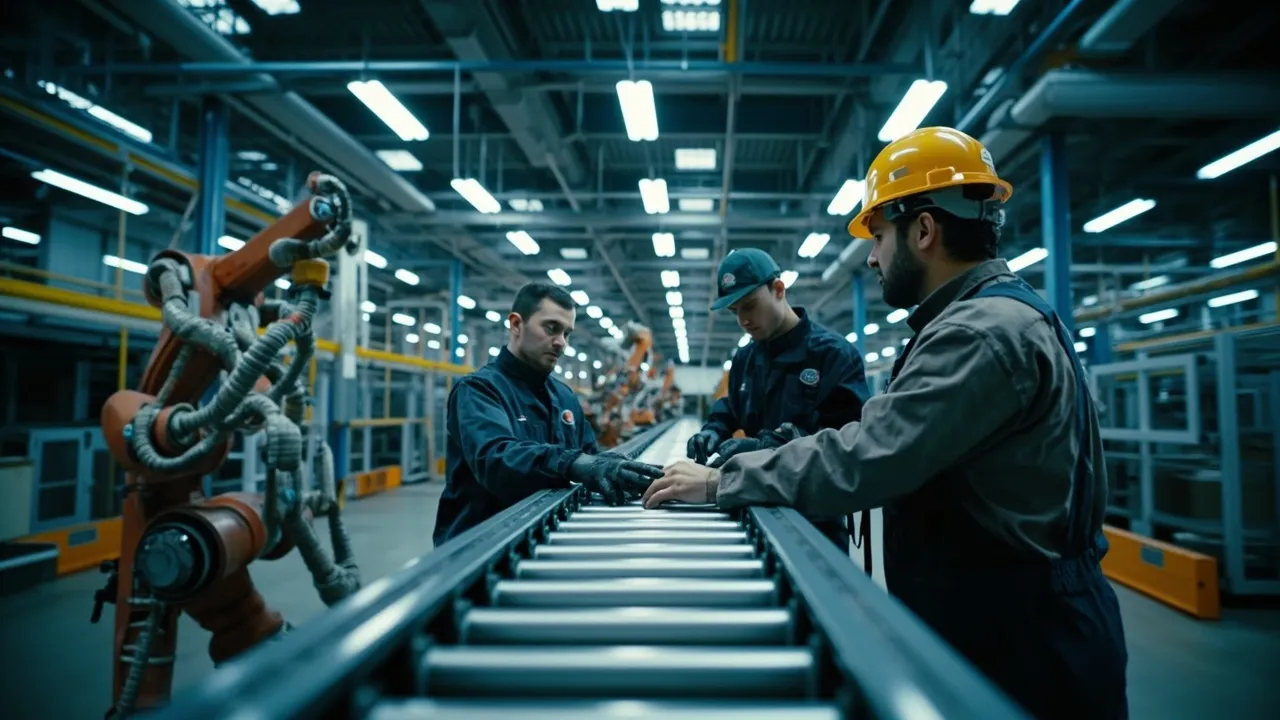
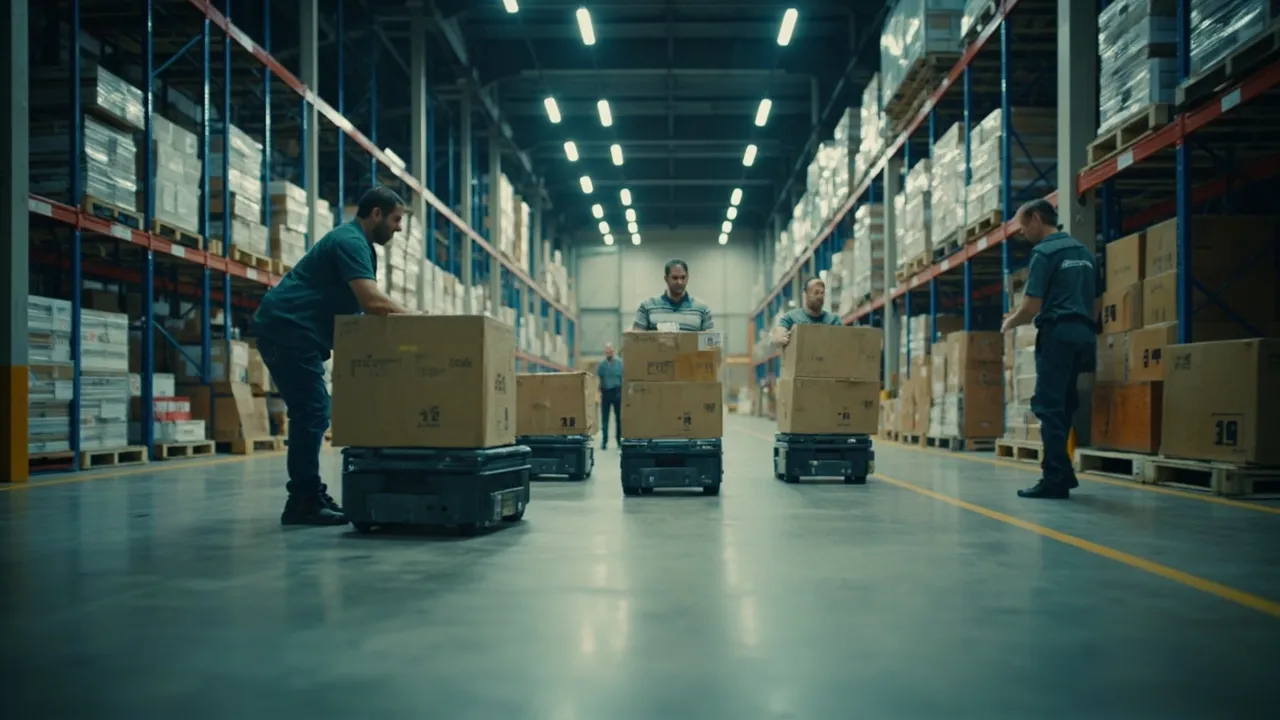
Automation can reduce walking, accelerate picking, and make throughput more predictable. It also creates a new operational dependency: every conveyor, sorter, autonomous mobile robot, and automated storage system needs people who can diagnose faults and restore service.
That workforce is not keeping pace with the equipment.
The 2026 MRO Survey from Modern Materials Handling puts numbers behind the problem. Of 112 qualified respondents involved in warehouse and distribution-center maintenance decisions, 52% said finding technicians with the right skills was their top hiring and retention challenge, up from 44% a year earlier. Fifty-one percent estimated a current shortfall of one to five supply chain automation technicians, while another 20% reported a gap of six to 25.
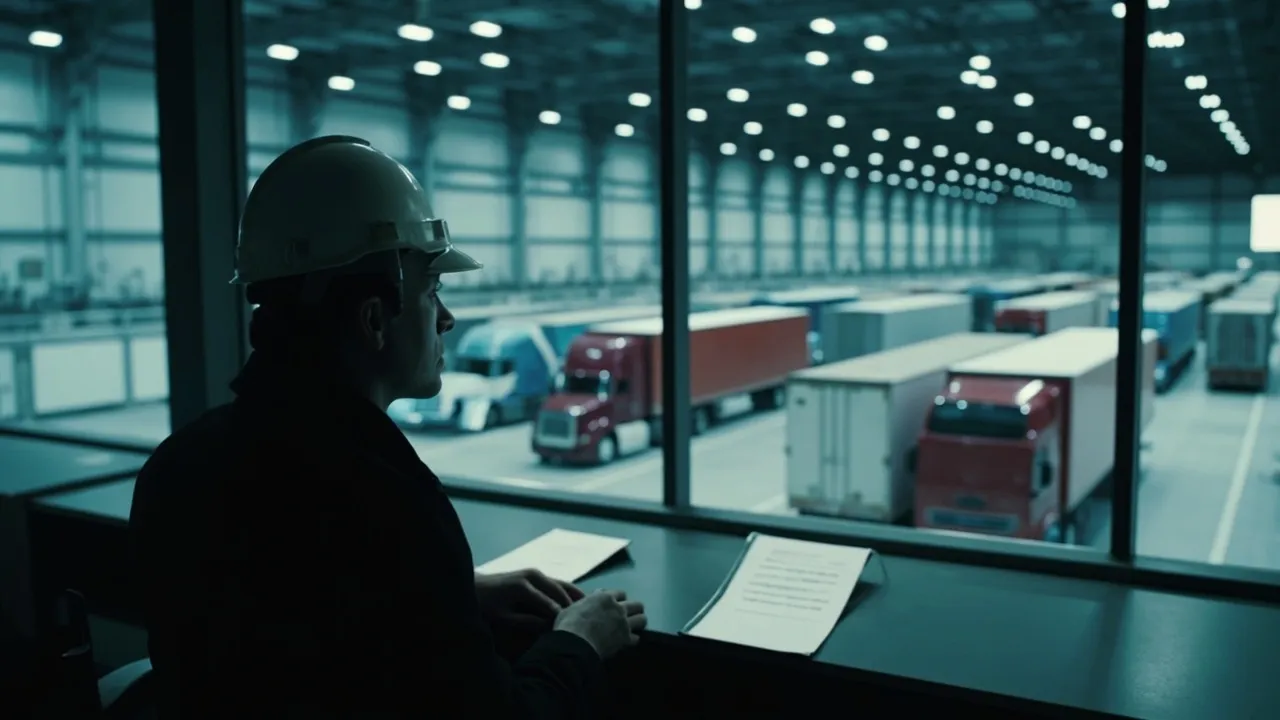
For logistics leaders, this is not only a maintenance issue. When automated equipment stops, orders miss waves, trailers wait at docks, carriers accumulate detention, and customer-service teams inherit exceptions they did not create.
Automation changes the labor requirement—it does not remove it
The survey shows how unevenly prepared the maintenance pipeline remains. Only 29% of respondents described entry-level forklift technician applicants as very or extremely prepared. A further 33% said applicants were not very prepared or not prepared at all.
Certification appears to narrow that readiness gap. Eighty-one percent said certified technicians are better prepared to maintain automated systems than non-certified candidates. Eighty-two percent said their organizations are more likely to hire certified applicants, and 75% said certified individuals perform at a higher level.
Employers are responding, but the measures require time. Thirty-five percent offer apprenticeships or internships with a career path, 24% work with community colleges, and 27% outsource work because they cannot find qualified technicians internally. Meanwhile, the average base salary reported for an automation technician rose from $57,313 in 2025 to $60,065 in 2026.
The practical conclusion is blunt: an automation business case that models fewer operators but ignores technicians, training, spares, and external support is incomplete.
Assign uptime ownership before the fault occurs
Automated facilities often have several parties capable of touching a system, but no single party accountable for restoring the full order flow. A workable response model should define roles in advance:
- Operators identify abnormal behavior, stop equipment safely, capture the fault code, and avoid unapproved workarounds.
- In-house maintenance performs triage, routine preventive work, and repairs covered by site procedures.
- Integrators resolve failures at the seams between controls, software, and equipment from multiple vendors.
- OEMs handle proprietary components, warranty issues, firmware, and advanced diagnostics.
- Remote support reviews telemetry and logs, guides local technicians, and decides when an on-site escalation is required.
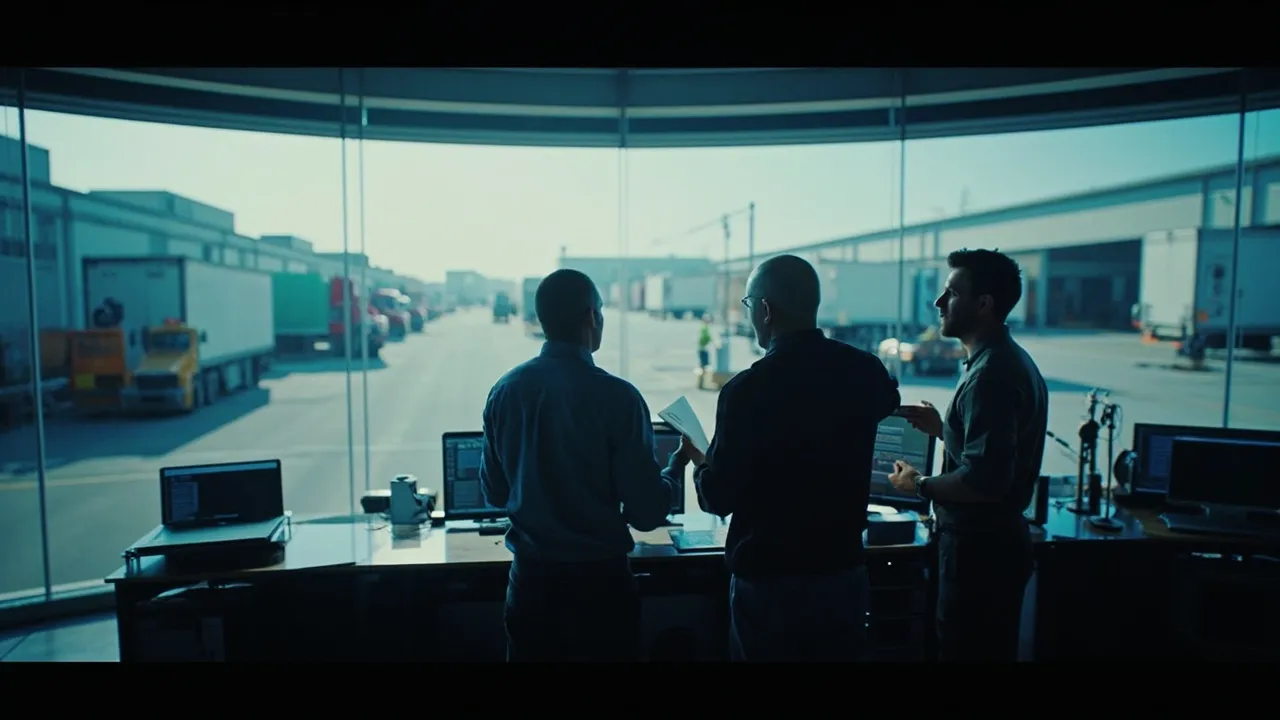
Every asset needs a primary owner, backup path, response target, and escalation threshold. Otherwise, a site loses valuable recovery time while teams debate whether a stoppage belongs to maintenance, IT, the WMS provider, or the equipment vendor.
Translate equipment downtime into logistics consequences
A maintenance alert usually describes the machine: sorter stopped, sensor blocked, robot unavailable. Transportation and customer teams need the business impact: which orders, doors, appointments, and commitments are now at risk?
Suppose a sorter failure cuts outbound capacity by 35% for two hours. The maintenance team may see one incident. Operations sees three delayed waves. Transportation sees six loads that will not be ready at their scheduled pickup times. Carriers see occupied drivers and trailers. Customers see late shipment notifications.
The recovery workflow should therefore connect each critical asset to the processes and zones it supports. When a fault opens, the system should identify affected waves and orders, calculate the expected loss of capacity, and compare the recovery estimate with dock appointment and carrier cutoff times.
That creates useful actions: resequence a wave, move work to a manual lane, delay an appointment before the truck arrives, prioritize orders with the tightest service windows, or secure alternate capacity.
Inbound Logistics warns that a failure in a system controlling several dozen autonomous mobile robots can shut down an entire location. It recommends factoring that concentration risk into maintenance and support programs. The lesson is to model automation not merely as individual assets, but as operational dependencies with different blast radiuses.
Build a maintenance-response data model
Spreadsheets and chat threads cannot reliably connect a repair to customer and carrier impact. Each maintenance event should create a structured record with at least:
- asset ID, location, equipment class, and criticality;
- fault code, detected time, detection source, and suspected cause;
- assigned technician, required certification, and escalation owner;
- spare part required, inventory status, order number, and arrival estimate;
- response time, repair start, service restoration, and validation time;
- affected zone, waves, orders, dock doors, appointments, and carriers;
- workaround used, capacity loss, detention exposure, and customer exceptions;
- root cause, corrective action, and next preventive-maintenance date.
This record supports two measurements that should never be confused: technical recovery time and operational recovery time. A conveyor may be running again at 11:10 a.m., while the order backlog and dock congestion it created may not clear until 2 p.m.
MHI's guidance on computerized maintenance management systems emphasizes documented maintenance history, condition monitoring, labor scheduling, and spare-parts visibility. Integrating that maintenance record with warehouse and transportation data closes the remaining gap: it reveals what the failure cost the operation, not just what it cost to repair the machine.
Manage uptime as a cross-functional service metric
Warehouse leaders should review critical downtime weekly with maintenance, operations, transportation, IT, and customer service. Track mean time to acknowledge, mean time to repair, operational recovery time, repeat faults, parts-related delay, missed appointments, detention minutes, and orders shipped late.
Also test the staffing plan against peak periods. Confirm who is on call, which certifications are available by shift, how quickly an OEM can respond, and whether critical spares are physically on site. A vendor phone number is not a recovery plan.
Automation delivers value only while it is available. The 2026 MRO findings show that technician capacity is now part of warehouse capacity. Companies that connect asset faults to shipment decisions can protect service even when equipment fails; those that keep maintenance and logistics in separate systems will discover the problem at the dock.
Ready to connect warehouse exceptions, dock appointments, carrier activity, and customer commitments in one operating view? Request a CXTMS demo and see how your team can respond before downtime becomes a service failure.