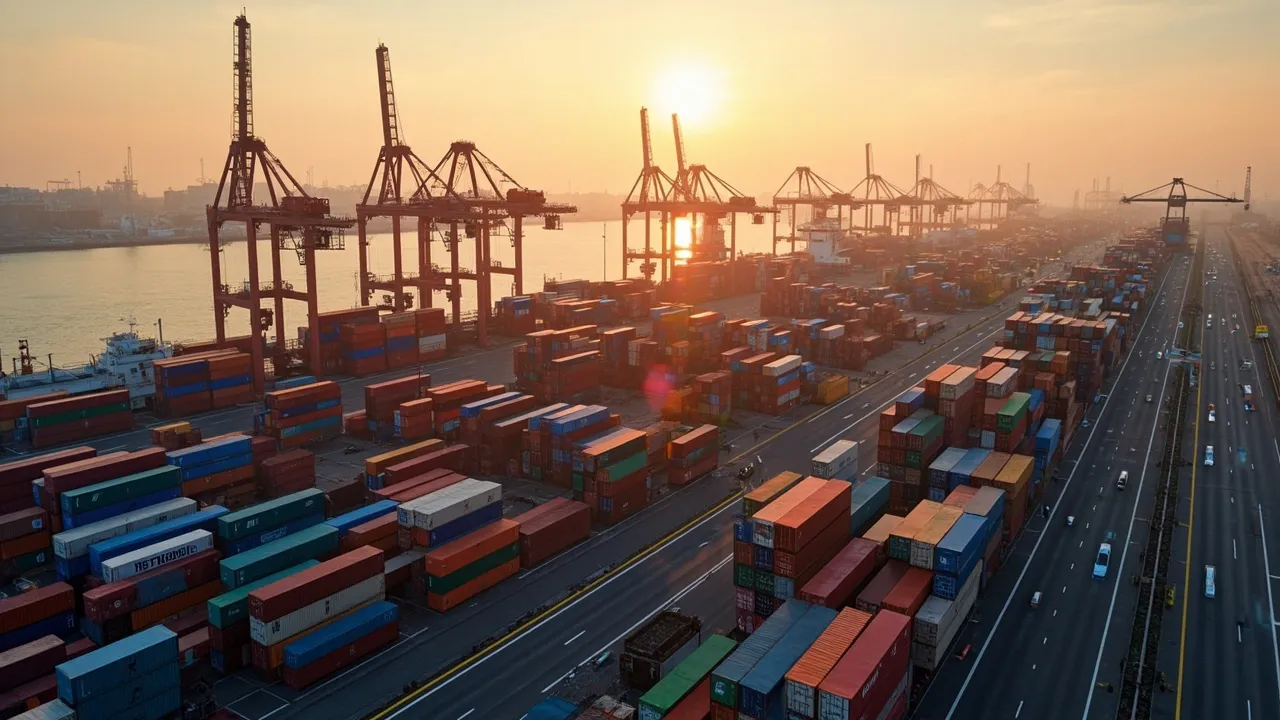
Oakland's Dockworker Walkout Shows Port Labor Risk Needs a Same-Day Diversion Clock

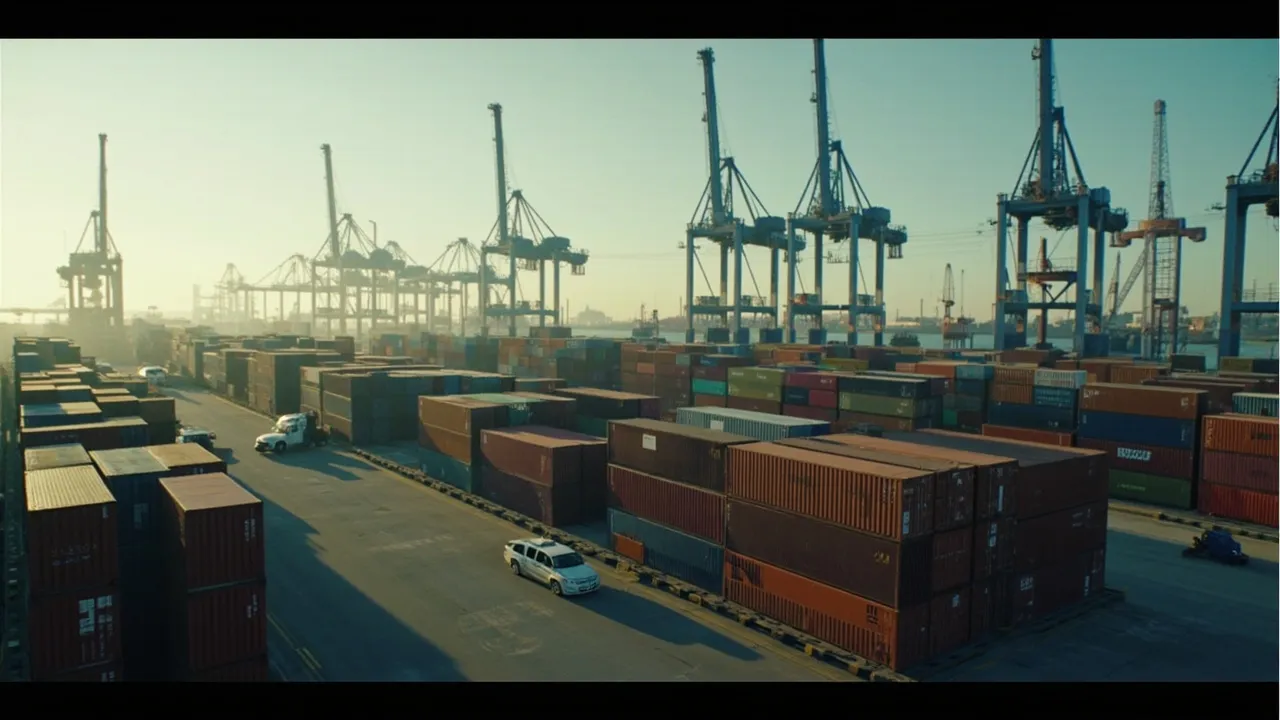
A port labor interruption does not need to last a week to disrupt a freight plan. It only needs to create uncertainty at the wrong moment: before a vessel call, near the end of container free time, or while a production line is waiting for a critical inbound shipment.
That is the operational lesson from the July dockworker walkout in Northern California. The event was brief, but it exposed a familiar weakness in disruption management. Many organizations have escalation contacts and alternate-port ideas, yet lack a shared clock for deciding when waiting is still rational and when diversion becomes the less expensive choice.
A short shutdown can still create a long decision problem
Members of the International Longshore and Warehouse Union walked off the job in sympathy with striking workers at a nearby sugar refinery. According to FreightWaves, the action shut terminals at Oakland and extended to the ports of Stockton and Sacramento. An arbitrator ordered workers back, and Oakland reported that all terminals were open by Wednesday's second shift and operating normally the next day.
Those facts matter because they distinguish the event from an indefinite strike. The physical interruption lasted roughly a working day, not several weeks. But during the shutdown, importers still faced unanswered questions about appointments, grounded containers, drayage availability, vessel operations, and the sequence in which terminals would clear delayed work.
The risk was therefore not simply "the port is closed." It was the absence of a reliable reopening time while commercial clocks continued to run.
That distinction should shape the response. Diverting every container at the first sign of labor trouble wastes money and can move freight into an equally congested network. Waiting without a deadline is just as dangerous. A practical response sits between those extremes: a same-day diversion clock with explicit review points.
Start the clock when execution becomes uncertain
The clock should start when a confirmed operating plan becomes unavailable, not when news of a labor dispute first appears. A rumor is a monitoring signal. A canceled gate appointment, terminal closure, missed cutoff, or carrier notice is an execution signal.
Once that threshold is crossed, the control team should schedule decisions at defined intervals—for example, immediately, after four hours, and before the final same-day diversion cutoff. Each review should use four categories of evidence.
1. Terminal operating status
Determine whether the disruption affects one terminal, the entire port, or a wider regional labor pool. Confirm gate hours, vessel labor, appointment availability, and the status of night shifts. A terminal reopening announcement is encouraging, but it does not automatically restore the original pickup sequence.
The Oakland event illustrates why geographic scope matters. The walkout also affected Stockton and Sacramento, reducing the value of nearby alternatives that depended on the same labor environment.
2. Free-time and cost exposure
List every affected container with its last free day, demurrage exposure, detention exposure, chassis status, and appointment. A container with several free days remaining can tolerate uncertainty differently from one approaching a chargeable day.
The team should compare the expected cost of holding with the full cost of diversion. That calculation includes ocean carrier amendments, alternate discharge or storage, extra drayage miles, transloading, equipment repositioning, and potential rail changes. The cheapest option at noon may not remain cheapest after another missed shift.
3. Downstream inventory consequence
Not all boxes deserve the same response. Rank shipments by the business impact of delay: production stoppage, stockout risk, customer commitment, spoilage, project penalty, or replacement cost.
A high-priority container with two days of inventory cover may justify premium transload capacity. A replenishment load with three weeks of cover may be safer left in the original flow. This converts a broad port alert into shipment-level decisions.
4. Alternate capacity that is actually executable
An alternate port is not a plan until capacity is confirmed. Dispatchers need available appointments, drayage power, warehouse or transload space, equipment compatibility, operating hours, and a feasible route to the consignee.
Capacity can tighten quickly during a broader disruption. Supply Chain Dive reported that the transpacific lane's 2026 revenue was flat year over year, while industry speakers warned that third-quarter pressure could intensify as seasonal cargo arrives. The typical peak shipping season runs from June through October. In that environment, theoretical alternatives can disappear before a committee finishes debating them.
Use decision gates, not improvisation
A same-day clock can be simple:
- Gate 1 — Assess: Identify affected shipments, validate terminal status, and freeze nonessential changes.
- Gate 2 — Reserve: Place time-limited holds on alternate drayage, transload, rail, or warehouse capacity for critical freight.
- Gate 3 — Decide: Hold, divert, or split the flow based on updated reopening confidence and shipment economics.
- Gate 4 — Release: Cancel unused reservations, issue revised instructions, and notify customers and internal teams from one approved plan.
The critical feature is an owner and deadline for each gate. Without those, teams repeatedly collect information but never convert it into action.
Preserve why the decision was made
A transportation management system should capture more than the final routing change. It should preserve the terminal status observed, the cost estimate, free-time exposure, inventory priority, alternate capacity quote, approver, and timestamp.
That audit trail improves the next disruption. Teams can compare expected and actual costs, determine whether they diverted too early or waited too long, and refine thresholds by lane, terminal, customer, and commodity. It also gives customer service a defensible explanation instead of a vague reference to port congestion.
Oakland returned to normal quickly. That does not make preparation unnecessary; it proves the decision process must distinguish a temporary interruption from a sustained breakdown without losing valuable hours. The best resilience playbook is not "always divert." It is "know exactly when waiting stops making sense."
Put your diversion clock inside the transportation workflow
CXTMS connects shipment milestones, costs, documents, exceptions, and approvals so teams can manage port disruption decisions from a shared operational record. Instead of chasing status across email and spreadsheets, planners can prioritize exposed freight and preserve the reasoning behind every hold-or-divert choice.
Request a CXTMS demo to see how structured exception management can make your next port disruption response faster, clearer, and more accountable.