Warehouse Labor AI Should Reduce Firefighting, Not Just Count Productivity

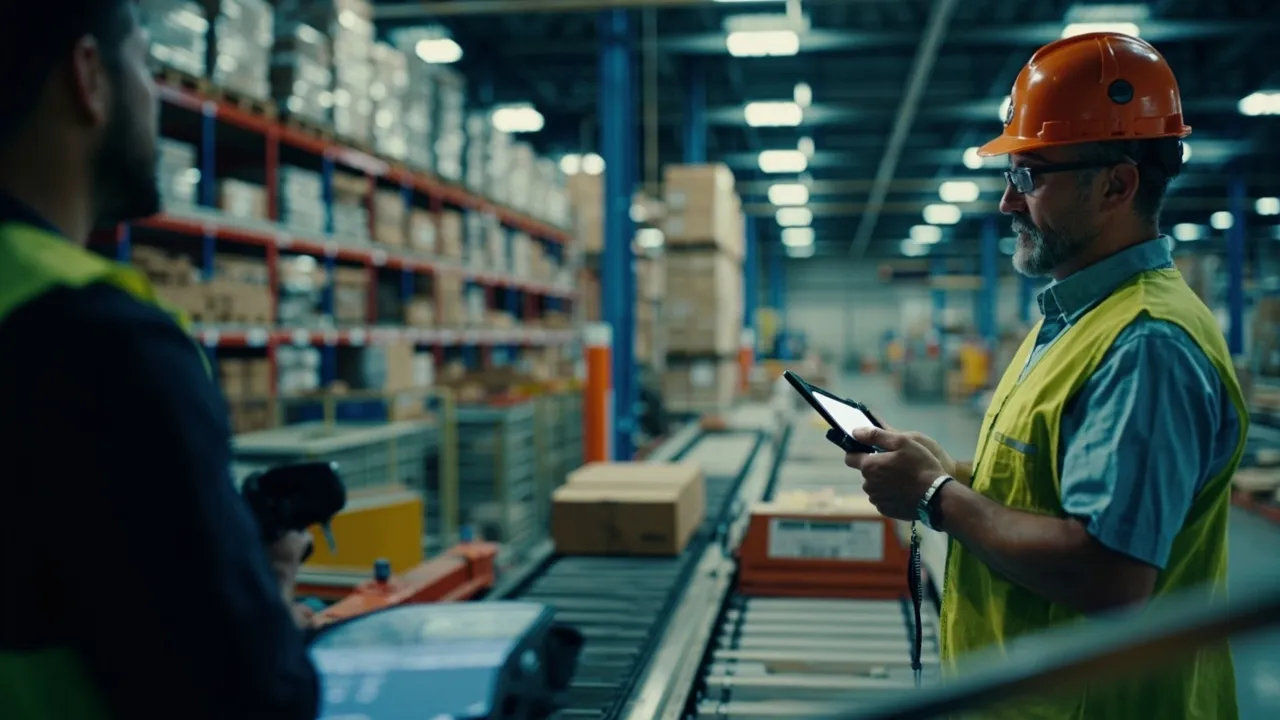
Warehouse labor AI is often sold as a better way to measure productivity. That is useful, but it is not enough. The bigger prize is reducing the daily firefighting that burns out supervisors, destabilizes labor plans, and pushes transportation teams into last-minute rescheduling.
The problem is not that warehouses lack data. Most facilities already have WMS transactions, labor standards, scan histories, wave plans, equipment alerts, and carrier appointment schedules. The problem is that the data often arrives as hindsight. By the time a dashboard confirms that a zone missed target, a replenishment task slipped, or a pick wave fell behind, the supervisor has already spent the afternoon manually moving people around the floor.
That is the wrong use of AI. The best labor systems should not simply count who picked how much yesterday. They should tell operations leaders where overload is forming now, what tradeoffs are available, and how a labor decision inside the building will affect downstream freight.
The hidden cost of the hero manager
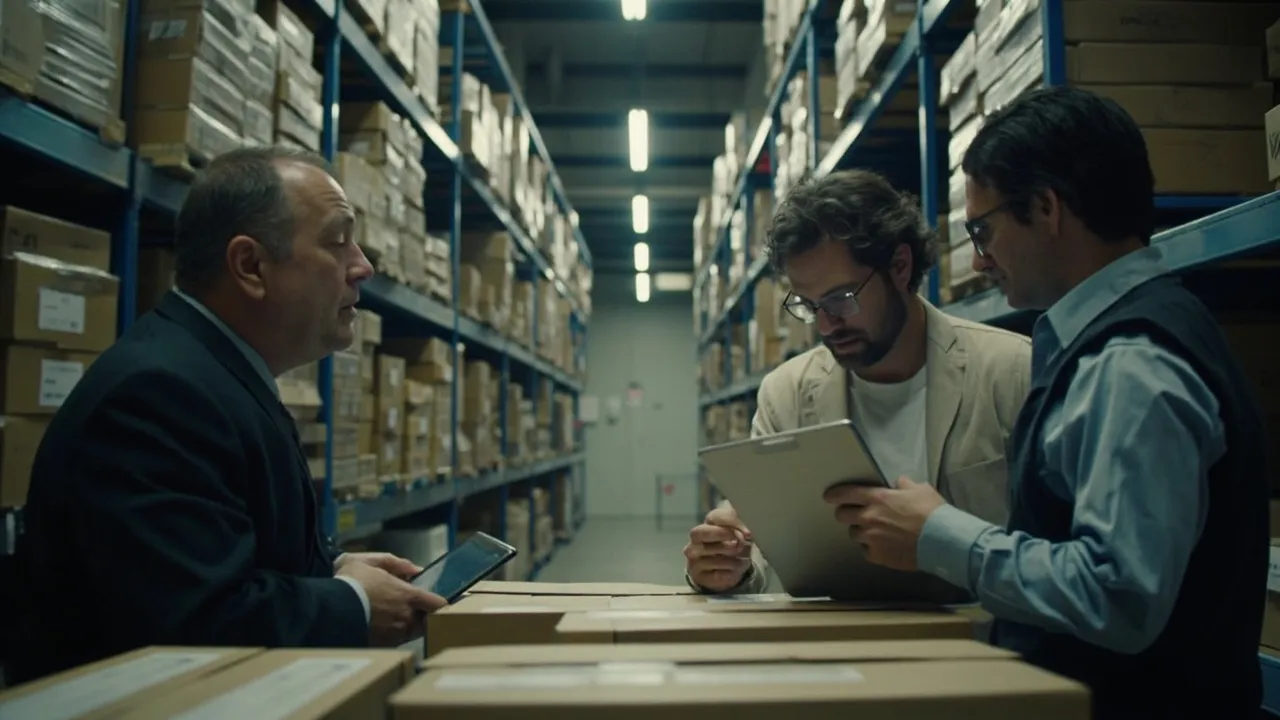
SupplyChainBrain frames the issue clearly in its analysis of AI and labor-management firefighting: warehouses are dealing with chronic turnover, excessive overtime, and a management culture where supervisors become the human integration layer between disconnected systems.
The article cites several numbers that should make logistics leaders uncomfortable. New hires often operate at lower efficiency during their first 30 days. Inexperienced workers are 33% more likely to commit errors, which can turn into returns, rework, and shipment delays. When overtime consistently exceeds 10% to 12% of total labor hours, the facility has usually moved from temporary surge mode into chronic understaffing. Productivity also falls sharply after employees work more than 50 hours in a week.
That creates a trap. The operation leans on overtime to recover service. Overtime causes fatigue. Fatigue increases mistakes. Mistakes create more exceptions. Exceptions require more supervisor intervention. The warehouse survives the day, but the system learns nothing except how to ask the same people to sprint again tomorrow.
SupplyChainBrain estimates that constant firefighting can consume 8% to 15% of a facility's total operating expenses through delays, rework, and misalignment. That is not a soft morale problem. It is a measurable operating-cost problem.
Productivity reporting is too late
Traditional labor management usually answers three questions: who worked, where they worked, and how their output compared with a standard. Those are important controls, especially in high-volume fulfillment environments. But they are lagging indicators.
A supervisor needs earlier answers. Is the outbound wave overloaded relative to available trained labor? Will a replenishment delay starve picking in 45 minutes? Is a new team member being placed in a zone where error risk is already high? Which dock appointment becomes vulnerable if packing slips by one hour? Can labor be reassigned without breaking another area?
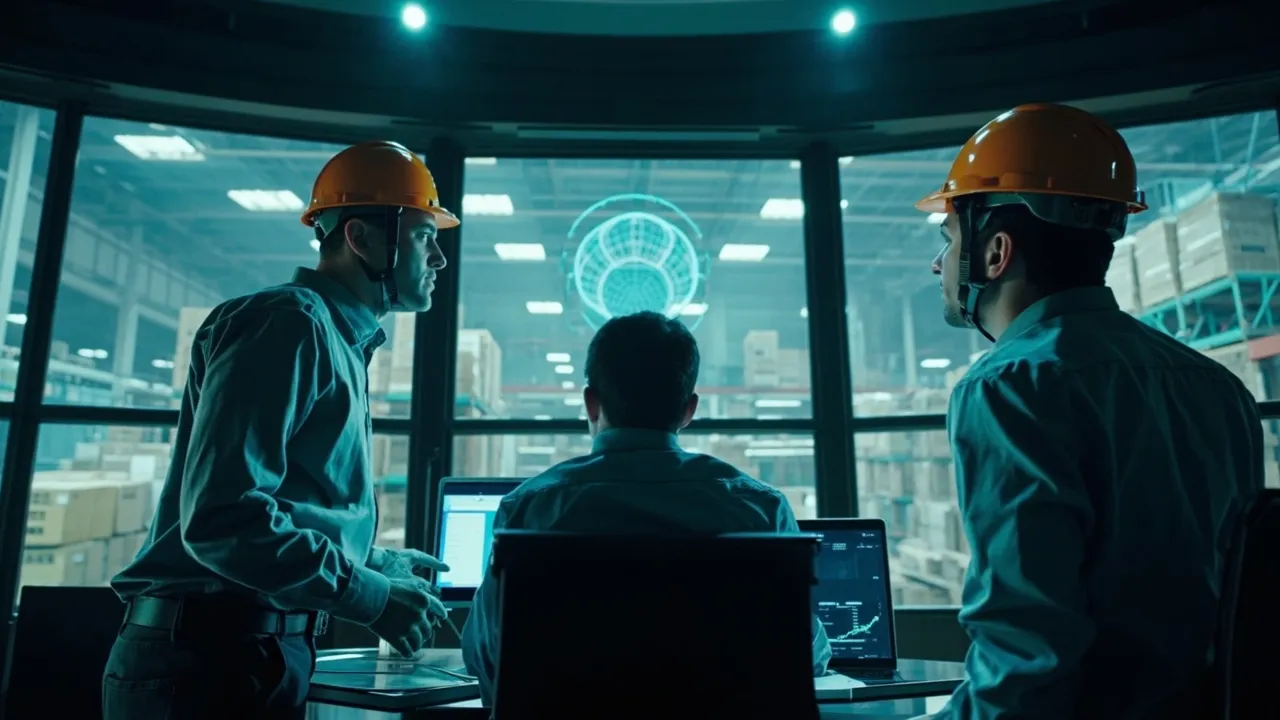
That is where AI can change the job. Instead of treating productivity as a scorecard, labor AI should operate as a decision-support layer. It should continuously compare orders, labor availability, training levels, equipment status, dock schedules, and service commitments. When the plan starts to bend, it should recommend a correction before the pickup window is already in trouble.
Inbound Logistics makes a similar point in its 2026 technology outlook, arguing that AI is shifting from a standalone feature into a "system of action" for supply chain execution. Its survey coverage highlights always-on decision intelligence, robotics and workforce coordination, and AI orchestration engines that have supported more than 112 billion picks. It also cites examples of AI-driven correction reducing short-ships by 90% and production-grade AI automating up to 80% of freight decisions.
Those figures point to a practical truth: AI becomes valuable when it moves work, not when it merely decorates reports.
Labor planning and automation planning are connected
Warehouse labor AI also cannot be separated from automation readiness. Many warehouses are not building greenfield robotics campuses. They are adding automation into existing facilities while still relying on people for flexibility, exception handling, replenishment, staging, quality checks, and recovery.
That mixed environment needs better planning discipline. Modern Materials Handling warns in its piece on eliminating automation kinks that automated systems must be tested for control software integration, throughput rates, product alignment, travel paths, and reporting alerts. It also notes that simulation models can produce focused results within a month, while larger models may take 12 or more weeks when data is limited.
That matters for labor because every automation weakness becomes a labor problem. If a sorter underperforms, people work around it. If an AMR route is blocked, people absorb the delay. If alerts are noisy or late, supervisors become dispatchers. AI labor planning should therefore model live constraints: automation status, zone congestion, training coverage, exception queues, and carrier commitments.
Transportation feels the warehouse labor problem
The transportation team may not see the labor board, but it feels the result. A short-staffed pick module can become a missed pickup. A late pack station can become detention. A wave held for quality inspection can become a customer-service escalation. A supervisor's emergency reassignment can save one order while quietly delaying another trailer.
This is why warehouse labor AI should not stop at the warehouse office. The most useful signal is not simply "labor productivity is down." The useful signal is: this order group is at risk, this dock door will not be ready, this carrier appointment should be moved, this customer needs an early alert, or this shipment should not be tendered yet.
For freight forwarders and logistics companies, that visibility is especially important because customer commitments often span warehouse handling, documentation, pickup scheduling, carrier handoff, and delivery milestones. If labor constraints stay hidden until the end of the shift, transportation planning becomes guesswork.
What better labor AI should do
First, it should predict overload before it becomes a crisis by comparing remaining work against trained labor, not just total headcount. Five people are not interchangeable if only two can safely handle a process, customer account, or equipment type.
Second, it should recommend tradeoffs. If the system suggests moving labor from receiving to outbound, it should show the impact on put-away, inventory availability, and tomorrow's orders. Supervisors need decision clarity, not another alert stream.
Third, it should protect service commitments. Labor plans should understand pickup windows, order priority, cutoffs, and customer promises. The goal is not maximum motion. The goal is stable execution.
Finally, it should create a learning loop and share the signal outside the four walls. When the same zone repeatedly needs emergency labor, the facility should know whether the cause is bad standards, poor slotting, training gaps, equipment downtime, order profile changes, or unrealistic wave timing. Transportation, customer service, and account teams need that status before they are forced into apology mode.
Warehouse labor AI should make supervisors less heroic, not more monitored. The right technology reduces decision overload, turns fragmented data into earlier action, and gives transportation teams enough warning to protect pickup windows.
CXTMS helps logistics teams connect warehouse readiness, labor-sensitive shipment status, carrier appointments, documents, and exceptions in one execution workflow. If your warehouse team is still saving the day with spreadsheets and hallway decisions, request a CXTMS demo and see how earlier operational signals can keep freight moving before firefighting starts.