Robot Safety Is the Hidden Adoption Barrier in Warehouse Automation

Warehouse automation is usually sold on speed: more units per hour, fewer touches, better labor leverage, tighter order cycles. That story is not wrong, but it skips the harder adoption barrier. Robots do not scale in a warehouse because the demo looked fast. They scale when floor teams trust that humans, mobile machines, software, and exception workflows can operate together without turning every anomaly into a safety drill.
That is why the most interesting warehouse automation news is not always the biggest robot or the flashiest AI model. Sometimes it is the emergency stop.
In a recent technology roundup, Inbound Logistics reported on a new wireless emergency-stop device that lets warehouse operators send safety commands, including stop, crawl, and pause, to robotics, autonomous systems, and mobile machines over Bluetooth. The reported range is up to 656 feet. In the same roundup, Inbound Logistics noted a 4D vision upgrade designed to help industrial robots achieve up to 10X faster vision and greater than 99.9% reliability in recognizing objects and completing tasks.
Those two details belong in the same conversation. Faster robots create value only when safety controls, pause states, recovery procedures, and human confidence keep pace.
Mixed human and robot environments need more than a red button
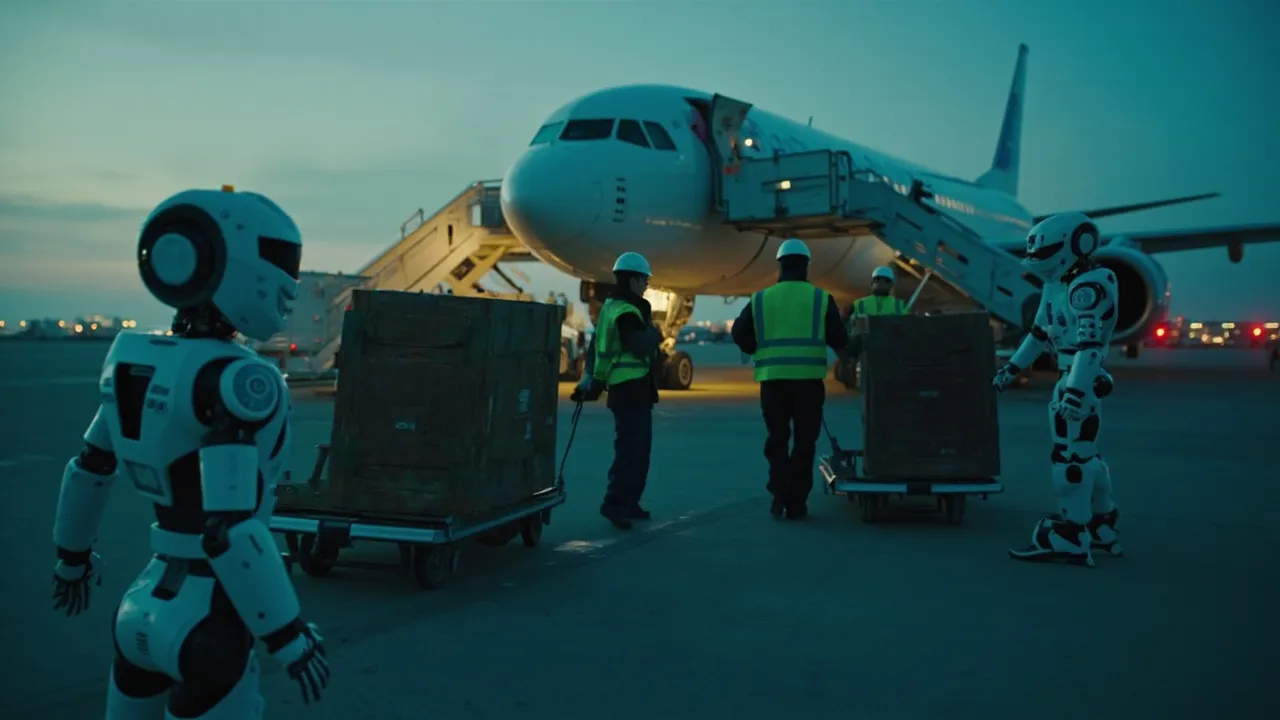
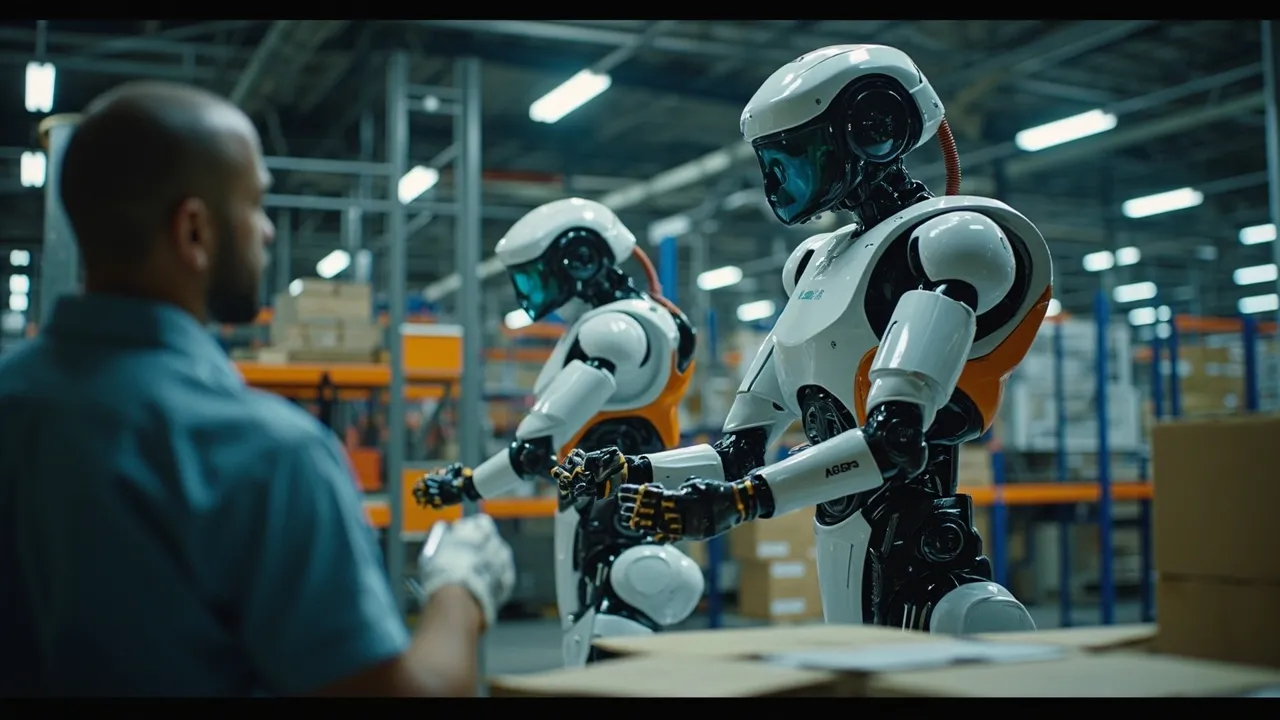
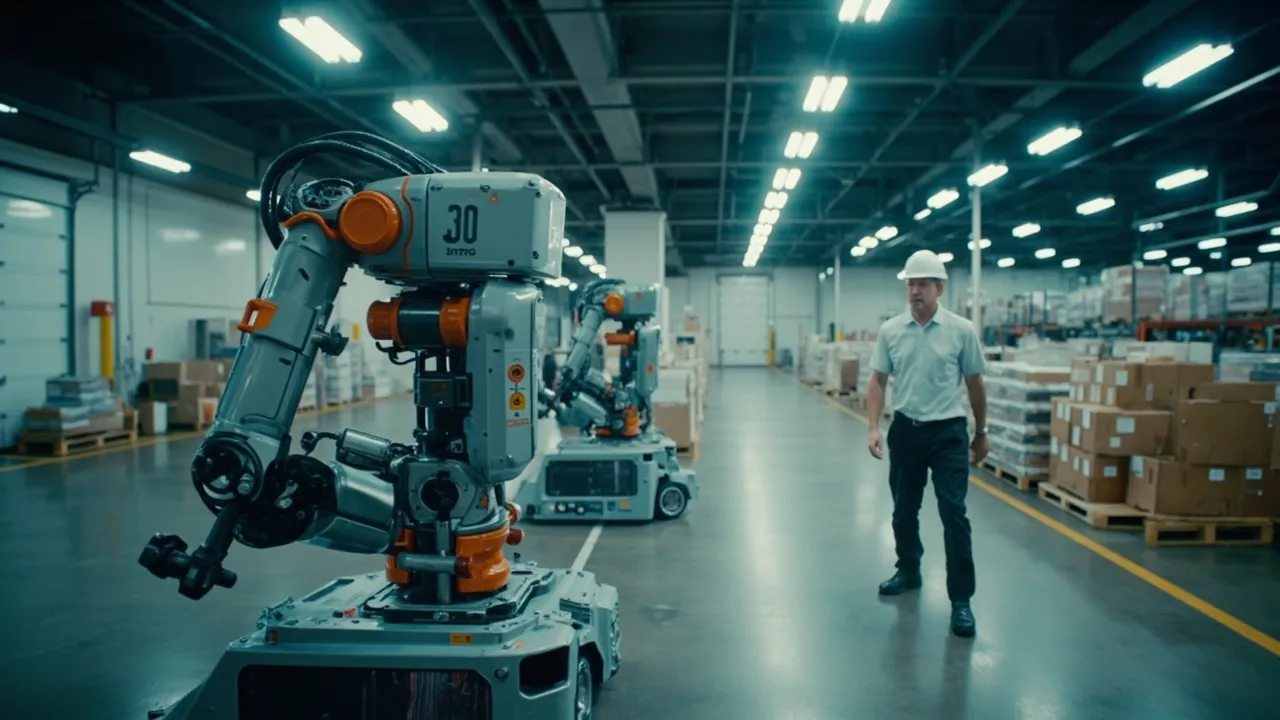
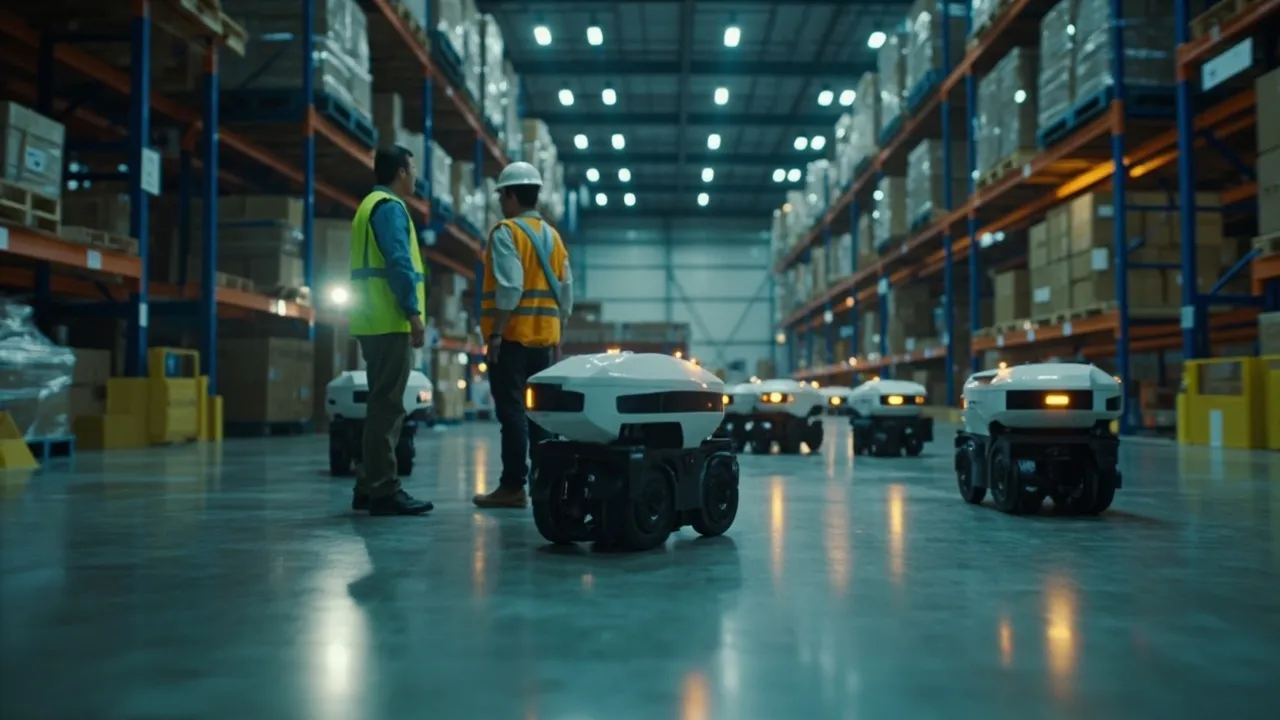
The classic emergency stop was built for a more fixed world: a machine, a line, a known hazard zone, and a physical stop point. Modern warehouses are messier. Autonomous mobile robots cross aisles. Associates pick, replenish, cycle count, clear jams, handle returns, and work near conveyors, shuttles, sorters, forklifts, and dock traffic. Automation is not one machine. It is a moving system.
That creates a new safety requirement. Operators need more than a binary "running" or "stopped" state. They need commands that fit real floor conditions: pause without losing the task, crawl through a constrained area, isolate a zone, clear a pedestrian path, recover after a misread, and escalate when a robot or control system behaves unexpectedly.
The operational question is not simply, "Can we stop the robot?" It is, "Can the right person stop or slow the right equipment quickly, document what happened, and restart cleanly without creating a second problem?"
That distinction matters. A poorly governed stop can protect the moment but damage throughput, strand inventory, confuse order status, or trigger manual workarounds that introduce new risk. A well-governed stop becomes part of execution: visible, logged, assigned, resolved, and analyzed.
Safety is an uptime strategy
Warehouse leaders sometimes treat safety controls as a compliance layer bolted onto an automation project. That is backwards. Safety is uptime infrastructure.
Modern Materials Handling made the broader readiness point in its article on how to eliminate automation kinks. The article notes that automated systems range from pick modules and sorters to AS/RS, shuttles, and autonomous mobile robots, and that each system has multiple potential failure points that should be tested before regular and peak volume exposes them. MMH listed control software integration, throughput rates, equipment dimensions and weight handling, travel paths, routes, reporting, and alerts among the areas to evaluate.
That is exactly where safety becomes operational. If travel paths are not tested, humans end up discovering edge cases live. If alerts are noisy or incomplete, supervisors lose confidence. If control software cannot translate a stop, pause, or exception into accurate order and inventory status, the floor starts improvising. Improvisation is expensive in a high-volume facility.
MMH also noted that simulation models can provide focused-area results within a month, while large or complex systems can take 12+ weeks to build when data is unavailable. That timeline is a useful reality check. Automation readiness is not a one-day commissioning event. It is a testing discipline.
Adoption fails when workers become the safety net
A warehouse automation project can look successful on a dashboard and still fail culturally. If associates believe the system puts them in awkward positions, blocks aisles without warning, forces rushed manual clears, or makes supervisors chase unexplained exceptions, they will find ways around it. They may slow down, avoid zones, over-escalate minor issues, or build informal procedures that never appear in the project plan.
That is not resistance to technology. It is a rational response to weak governance.
The better model is to make safety behavior explicit. Which roles can issue a stop? Which roles can restart? What happens to open tasks when a robot pauses? How are affected orders resequenced? Who receives the alert? What evidence is required after a near miss? How quickly should maintenance, operations, and transportation teams know if automation downtime threatens pickup windows?
Those questions sound tactical because they are. Warehouse robotics adoption is not only an engineering challenge. It is an execution-management challenge.
Transportation feels the warehouse safety problem
Robot safety may seem like an inside-the-four-walls issue, but transportation teams feel the consequences quickly. When automation downtime delays picking, packing, palletizing, or staging, outbound appointments slip. Carriers wait. Drivers run out of hours. LTL pickups are missed. Customer service teams promise revised ETAs without knowing whether the underlying warehouse constraint has cleared.
The problem gets worse when incidents are trapped in local systems. A supervisor may know a zone is paused. Maintenance may know an AMR route is blocked. The WMS may show delayed waves. The TMS may still show freight ready for pickup. That gap is where service failures are born.
For automation-heavy facilities, safety events should be visible as operational events. A pause in a packing zone, a robot route restriction, or a near-miss investigation can all affect labor allocation, staging times, carrier cutoffs, and customer commitments. If the transportation plan cannot see those signals, it is planning against fiction.
Build robotics governance before scaling robots
Warehouse leaders evaluating robotics should ask vendors and internal teams a harder set of questions before expanding pilots:
- What stop, pause, crawl, and restart states are supported?
- How are safety commands logged and tied to users, zones, assets, and tasks?
- What happens to inventory and order status during a robot pause?
- Can alerts distinguish nuisance stops from service-threatening events?
- How are near misses, blocked paths, and manual recoveries documented?
- Can downstream transportation teams see delays before dock appointments fail?
These are not minor implementation details. They are the operating model. Robotics will keep getting faster and more capable, but adoption will be capped if humans do not trust the system around the machines.
CXTMS helps logistics teams connect warehouse events, shipment milestones, carrier appointments, exception workflows, documents, and customer visibility in one execution layer. If automation delays threaten freight readiness, teams should not discover it after a driver checks in. They should see it early, escalate it cleanly, and protect the shipment plan.
Want to make warehouse automation safer to scale and easier to manage across transportation workflows? Schedule a CXTMS demo and see how exception visibility, dock coordination, and freight execution can work together before small disruptions become missed commitments.