Cold Storage Capacity Is Expanding, but Temperature-Controlled Networks Need Better Orchestration

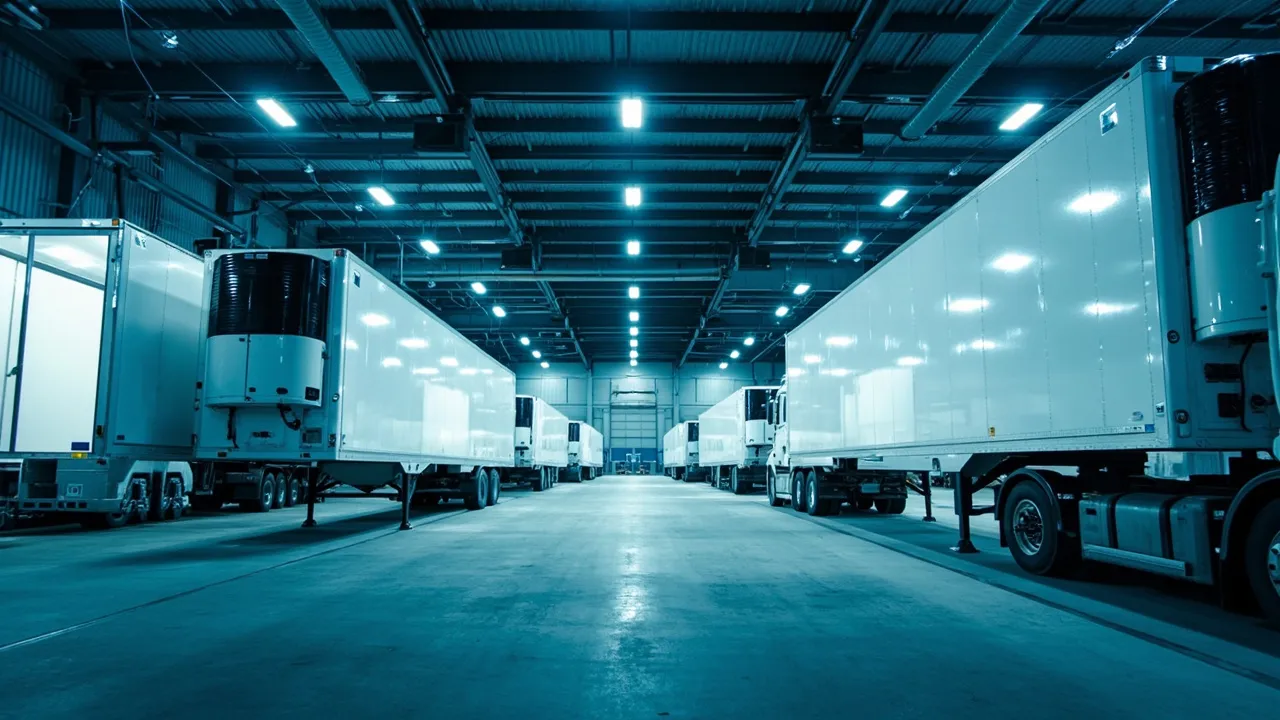
Cold storage is getting bigger, more specialized, and more strategic. That should be good news for food, beverage, and pharmaceutical shippers that have spent the past few years wrestling with capacity constraints, volatile reefer availability, stricter documentation requirements, and customers who expect fresher products with less tolerance for delay.
But more square footage does not automatically create a better cold chain.
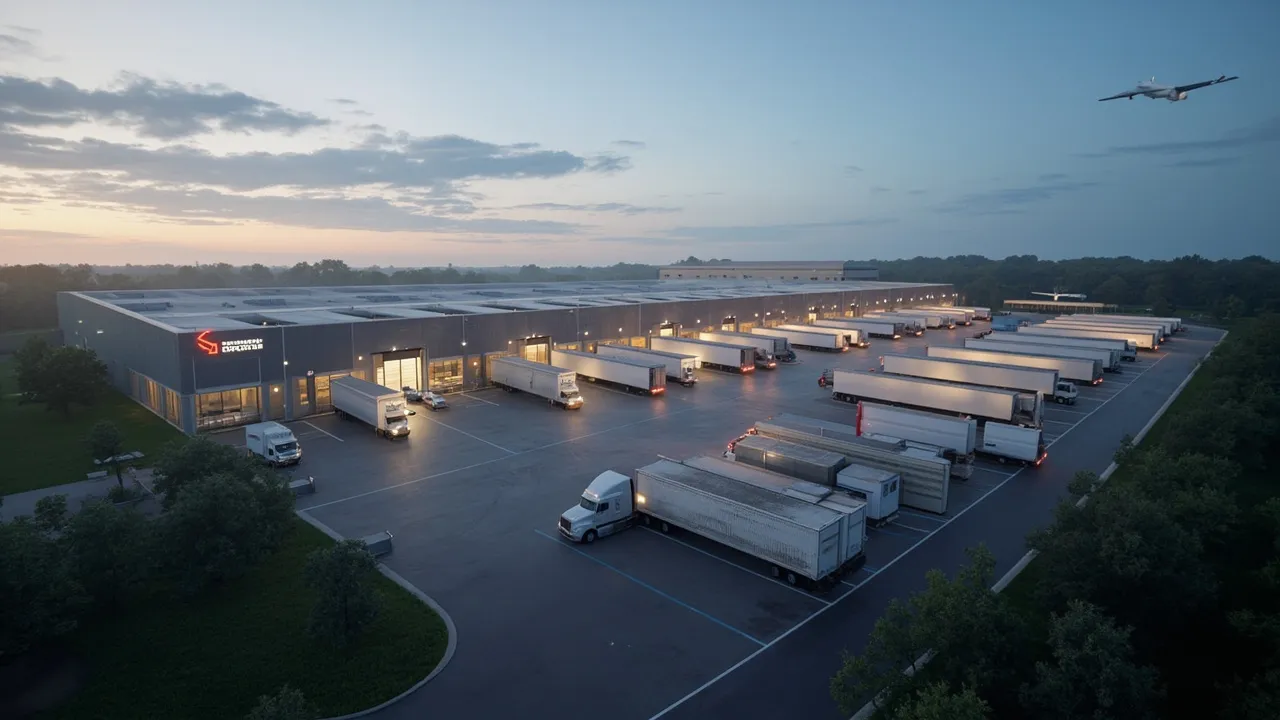
The latest signal came in an Inbound Logistics industry roundup, which reported that DHL Supply Chain signed a memorandum of understanding with RLCold to develop more than five million square feet of advanced temperature-controlled facilities across North America. The partners are also expected to jointly pursue multi-temperature distribution centers.
That headline matters because it points to where cold-chain competition is moving. The next advantage is not just having refrigerated space. It is being able to orchestrate different temperature zones, product classes, appointments, documentation, handoffs, and exceptions as one controlled network.
Cold-chain growth is not a real estate story
Cold storage used to be discussed mainly as capacity: how many pallets, how many freezer doors, how many refrigerated dock positions, how many cubic feet. Those metrics still matter, but they are no longer enough.
A modern temperature-controlled network has to support chilled, frozen, deep-frozen, and sometimes ultra-low-temperature requirements. It has to keep food, beverage, and pharma products separated by condition rules, handling requirements, compliance obligations, and customer service expectations. A facility may be impressive on paper and still create operating risk if appointment discipline, dwell visibility, and condition records are weak.
Mordor Intelligence estimates that the cold chain logistics market will grow from $361.37 billion in 2025 to $383.46 billion in 2026, then reach $515.79 billion by 2031 at a 6.12% CAGR. The same analysis says refrigerated storage held 52.37% of market share in 2025, while refrigerated transportation is growing faster at a 6.88% CAGR through 2031.
That split is important. Storage capacity is expanding, but the real operating challenge increasingly sits between nodes: getting product into the right door, out of the right temperature zone, onto the right reefer equipment, under the right appointment window, with the right proof that temperature integrity was maintained.
Multi-temperature networks raise the execution bar
Multi-temperature distribution sounds elegant in a strategy presentation. On the floor, it is hard work.
A single facility may handle frozen foods, refrigerated beverages, produce, dairy, proteins, confections, meal kits, biologics, or specialty healthcare products. Those products do not share the same temperature tolerance, dwell risk, loading process, documentation burden, or escalation threshold. A delayed door assignment that is merely inconvenient for one SKU can become a spoilage event for another.
That is why cold-chain planning has to move beyond facility selection. Shippers should evaluate the whole operating model:
- Which product classes can safely share a node?
- Which lanes require continuous temperature monitoring?
- Which customers require stricter delivery appointment windows?
- Which carriers have proven performance by commodity and region?
- Which exceptions trigger a hold, re-ice, inspection, replacement load, or customer notification?
- Which documents prove condition at origin, transfer, delivery, and claim review?
Those are not back-office details. They determine whether expanded cold storage creates service resilience or simply adds more places for product to wait.
Dwell time is the silent cold-chain cost
Every cold-chain team watches temperature. Fewer teams manage dwell with the same intensity.
That is a mistake. A refrigerated trailer sitting at a dock, a pallet waiting in the wrong staging area, or a shipment delayed by a missed appointment can create risk even when the formal lane plan looked sound. Temperature-controlled logistics is unforgiving because time, condition, and custody are intertwined. If one slips, the others start to matter immediately.
Mordor's market analysis notes that the frozen segment accounted for 61.35% of cold-chain market size in 2025, while pharmaceuticals and biologics are advancing at a 7.56% CAGR. It also highlights deep-frozen and ultra-low-temperature demand tied to mRNA vaccines and advanced biologics. Those are not forgiving cargo categories. They require validated processes, redundant monitoring, and fast exception response.
For food and beverage shippers, the pressure is different but just as real. Retailers want freshness, consumers expect availability, and waste cuts directly into margin. Cold storage capacity helps only if transportation planning, dock scheduling, inventory release, and customer communication stay synchronized.
Network design should start with service regions and exception paths
The temptation is to design cold-chain networks around facility maps: place a dot near demand, calculate miles, negotiate storage rates, and move on. That is too shallow.
Better network design starts with service regions and product behavior. A shipper moving frozen meals into grocery DCs has different constraints than a beverage brand moving chilled products into convenience distribution, and both differ from a pharma company moving temperature-sensitive biologics through validated lanes.
The useful questions are operational:
- Where does the product have the lowest tolerance for delay?
- Where does demand variability create recurring appointment pressure?
- Where are reefer carriers strongest or weakest?
- Which regions need cross-dock capability versus reserve storage?
- Which lanes need exception playbooks before peak season?
- Which proof-of-condition records will matter if a claim, recall, or quality hold appears later?
Answering those questions turns a cold-storage footprint into a controlled network. Ignoring them turns new capacity into expensive square footage.
Orchestration is the missing layer
Cold-chain execution breaks when data lives in fragments. The warehouse knows product status. The carrier knows trailer status. The customer knows appointment requirements. The quality team knows release rules. The transportation team sees the shipment plan. But if those signals are not connected, the network reacts late.
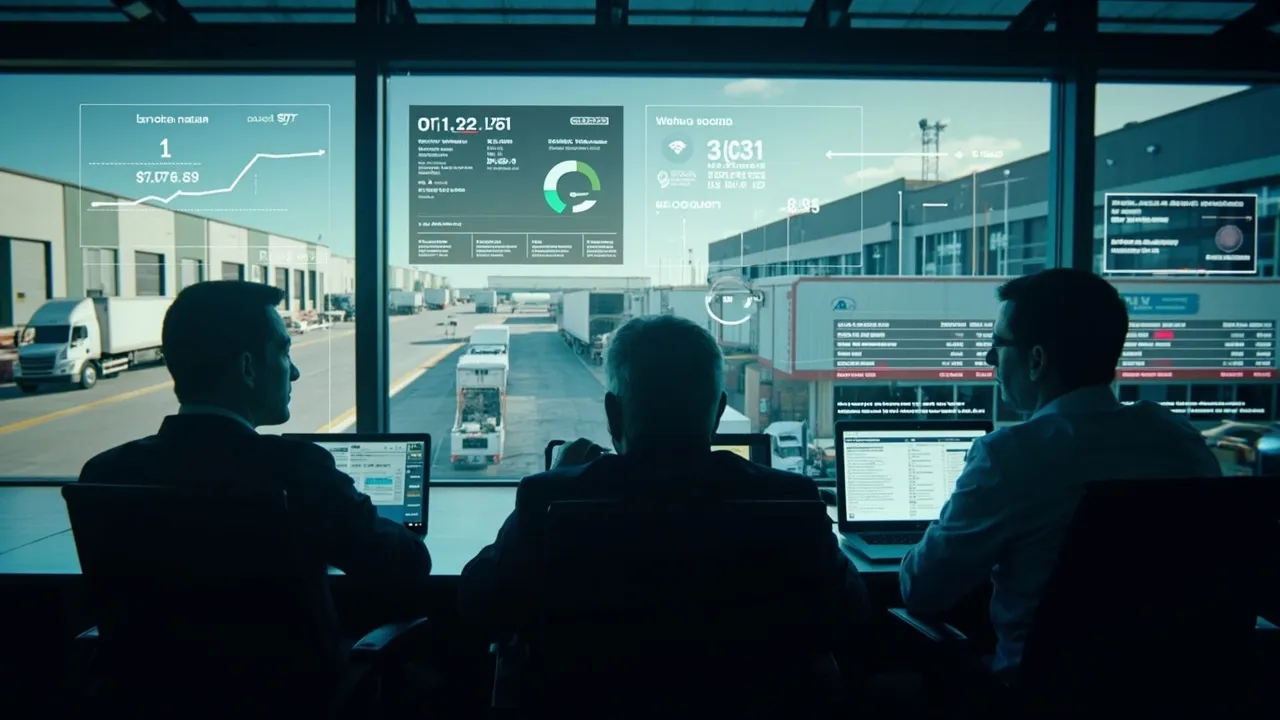
That is where orchestration becomes more valuable than another dashboard. A shipper needs lane rules, temperature requirements, appointment visibility, carrier scorecards, exception workflows, and proof-of-condition records tied to the shipment itself. When a reefer is late, a dock is constrained, a temperature alert appears, or a customer changes a delivery window, the workflow should show who owns the next action and what evidence is required.
CXTMS is built for that execution layer. For temperature-controlled logistics teams, that means managing freight plans alongside appointment milestones, carrier performance, documents, exception notes, and customer visibility. Cold-chain control should not depend on someone manually stitching together emails, spreadsheets, warehouse notes, and carrier updates after the product is already at risk.
The cold-storage market is expanding for good reasons: demand is rising, product requirements are more complex, and supply chains need more resilient infrastructure. But capacity alone will not protect service levels. The winners will pair new temperature-controlled facilities with disciplined orchestration across every lane, handoff, and exception.
Want better cold-chain control across facilities, carriers, appointments, and proof-of-condition records? Schedule a CXTMS demo and see how shipment orchestration can keep temperature-controlled networks moving before small exceptions become spoiled product, missed appointments, or costly claims.